The Evolution of Commercial Soap Dispenser Technology
(This article has been updated on March 22nd 2026, to reflect more related Q&A). Soap dispensers have evolved significantly over the past century. Early public restroom systems
relied on simple manual pumps or refillable containers. While functional, these devices required
users to touch shared surfaces, which could contribute to the spread of bacteria.
In the late twentieth century, technological advances introduced the first automatic soap dispensers.
The earliest patents for automated dispensers appeared in the late 1980s and used sensors to detect
hand movement and release a measured amount of soap. :contentReference[oaicite:2]{index=2}
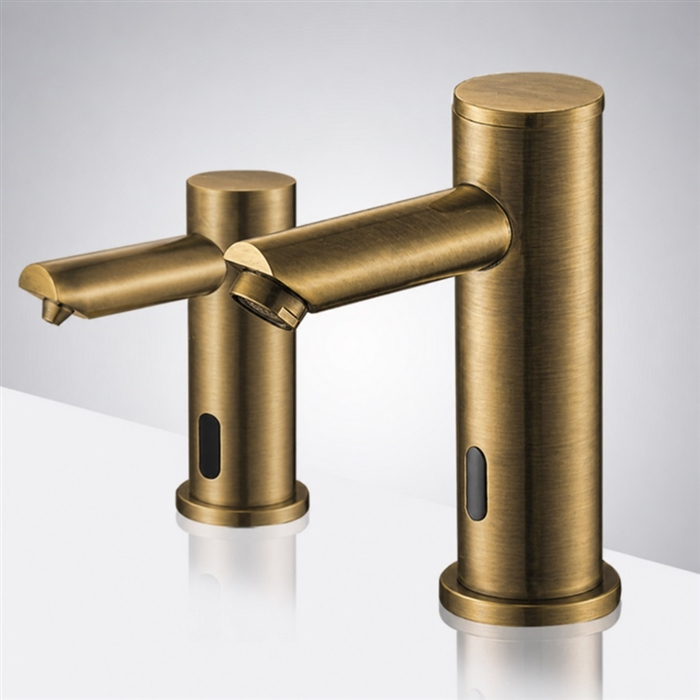
Today, modern commercial soap dispensers use infrared sensors, efficient pump motors, and precise
dosing systems that ensure reliable operation. These innovations help reduce soap waste while
improving hygiene in public facilities.
Manufacturers such as FontanaShowers, BathSelect, Sloan, Bobrick, and Dyson continue to improve
sensor technology and product durability to meet the needs of airports, hotels, hospitals, and
office buildings.
To better understand how these systems benefit modern facilities, this article explains
why automatic soap dispensers are a smart investment in today’s commercial environments.