Smart Water Efficiency Planning
Recommended Efficiency Methods
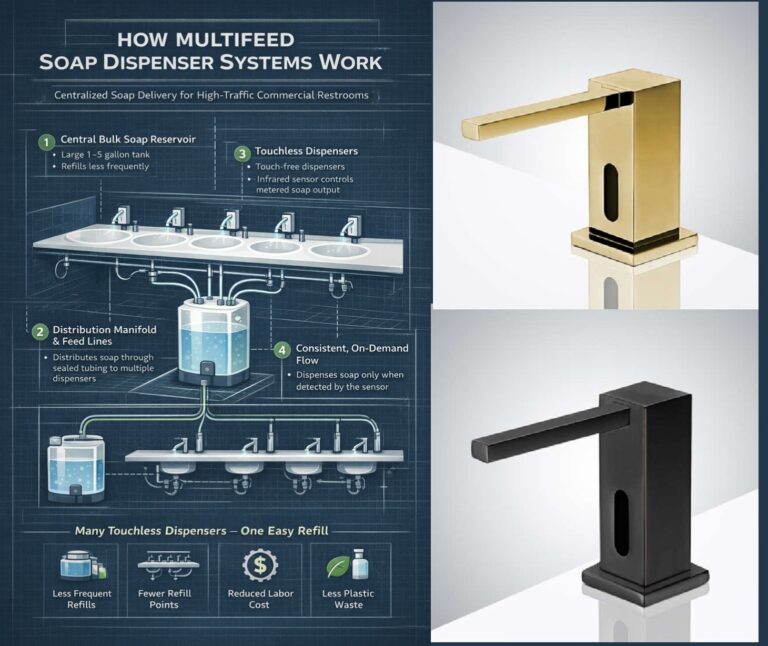
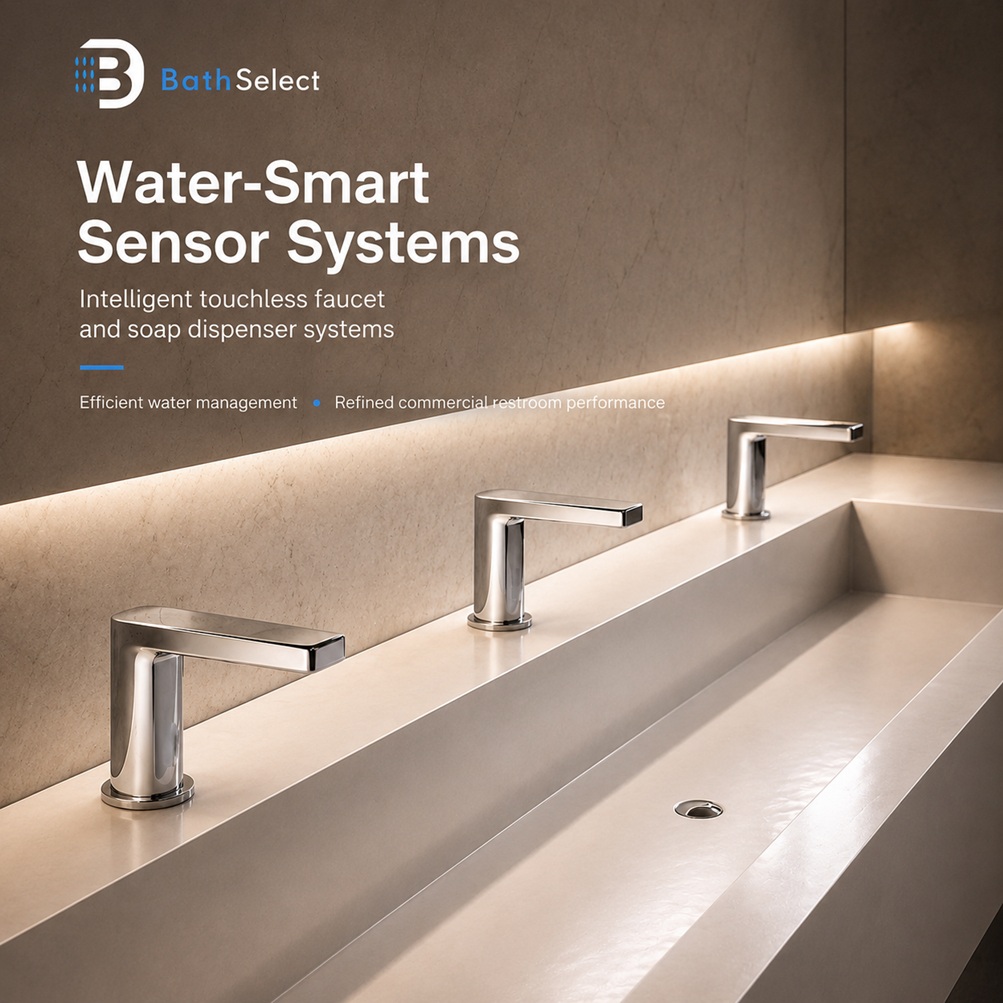
Water-smart touchless faucet and soap dispenser systems should maintain calibrated sensor timing, controlled flow rates, and coordinated sink placement to improve overall restroom efficiency. Proper aerator selection and balanced water pressure help reduce unnecessary consumption while supporting dependable hands-free performance across commercial restroom environments.
Facility planners are encouraged to combine low-flow sensor faucets with compatible soap dispensing systems and routine maintenance inspections to preserve long-term operational reliability. Coordinated fixture integration also helps reduce splash patterns, simplify maintenance access, and maintain a cleaner restroom appearance in hospitality, healthcare, and office facilities.
Resource Management Challenges
Avoid using improperly calibrated sensor settings that may extend water flow cycles longer than necessary and reduce water-saving efficiency. Incompatible sink depth and poorly positioned faucet placement can additionally increase splash concerns and affect overall restroom usability.
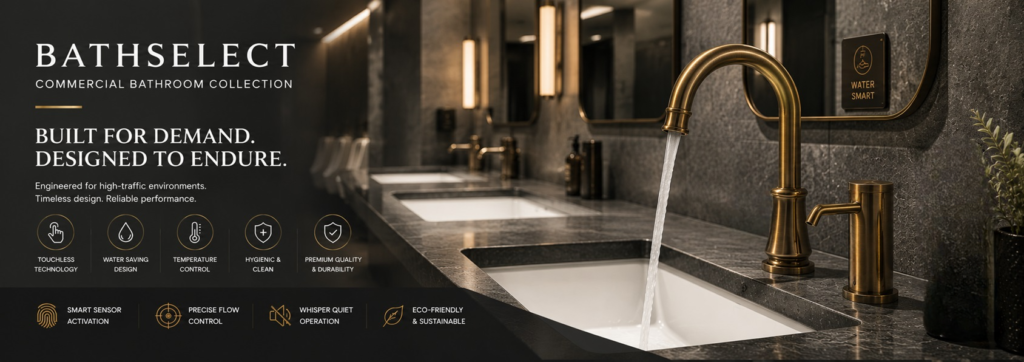
Harsh chemical cleaners, neglected aerator servicing, and inconsistent sensor inspections should also be avoided, as these conditions may gradually reduce activation accuracy and long-term fixture performance. Careful maintenance planning and coordinated installation strategies help preserve both operational efficiency and upscale restroom aesthetics.