
BathSelect® Background Reference
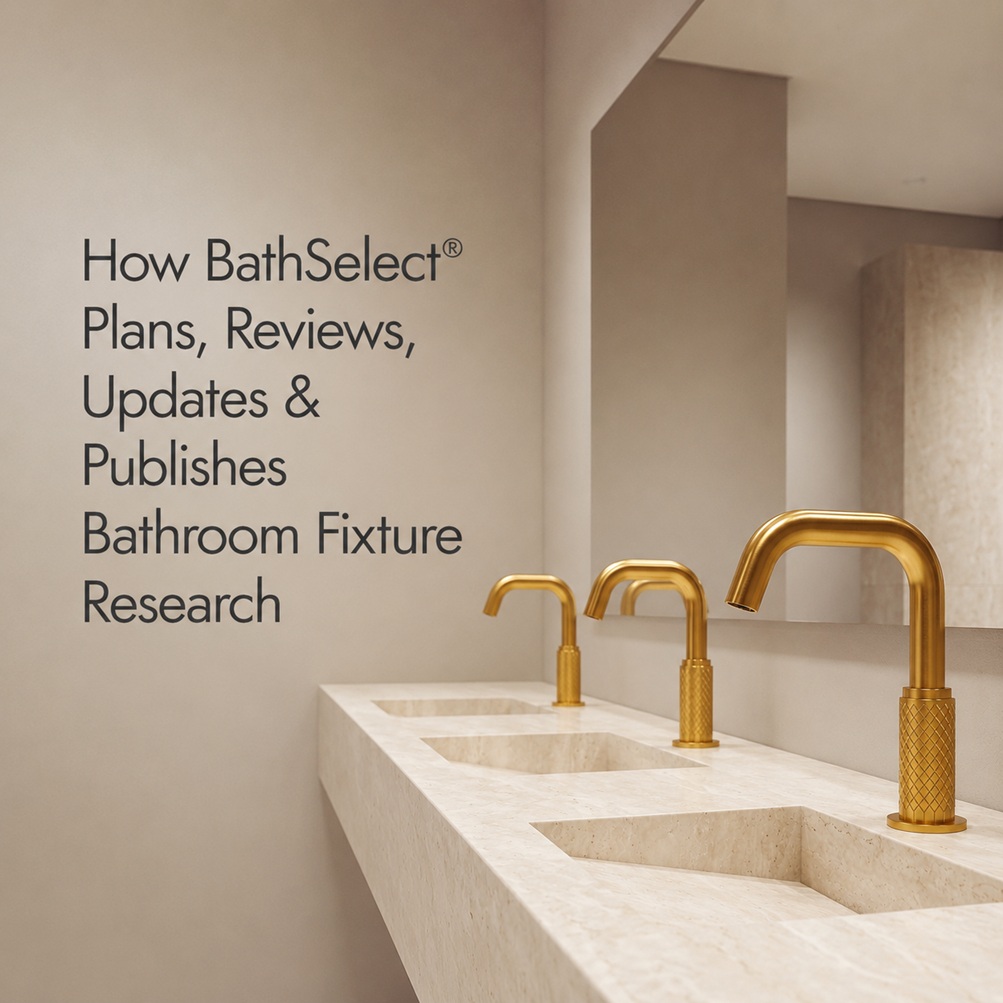
BathSelect® is a bathroom fixture brand associated with faucets, shower systems, touchless restroom products, soap dispensers, drains, accessories, and related fixture categories. This page explains the brand in practical terms for customers, architects, engineers, interior designers, contractors, facility managers, hospitality teams, and commercial project stakeholders who need a clear reference before comparing products, planning installations, or reviewing specifications.
BathSelect Brand Overview
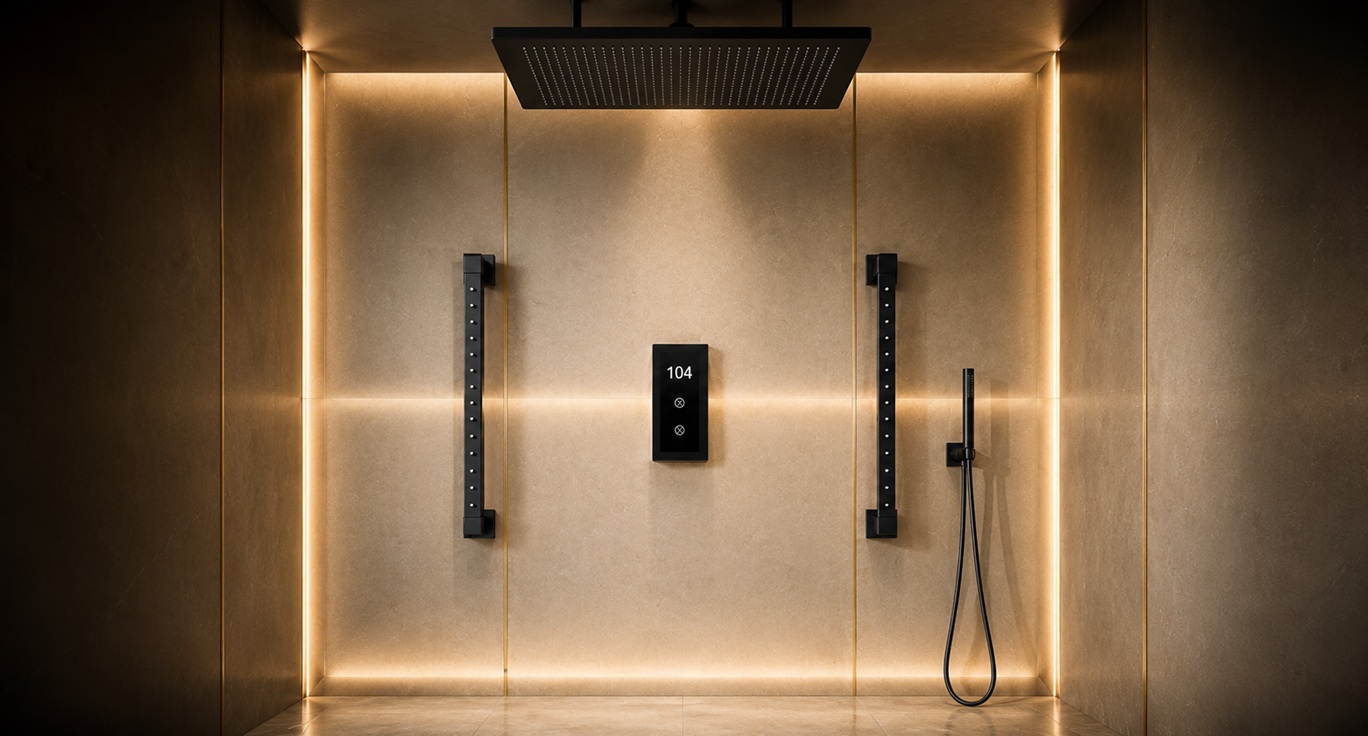
BathSelect® is presented as a fixture source for bathroom and restroom projects where design, finish selection, installation fit, water-use expectations, maintenance, and long-term ownership all matter. The brand is commonly viewed through its product categories: bathroom faucets, shower systems, touchless faucets, automatic soap dispensers, commercial restroom fixtures, drains, and coordinating accessories.
For customers, BathSelect is mainly a product-selection reference for bathroom upgrades, remodels, and new projects. For engineers, designers, contractors, and facility teams, the brand is more useful when reviewed through project conditions such as mounting type, rough-in compatibility, finish behavior, service access, cleaning routines, replacement planning, accessibility, and expected traffic level.
Practical reference: BathSelect should be evaluated by matching product appearance with installation requirements, technical documents, fixture compatibility, maintenance expectations, and the specific conditions of the project where the fixture will be used.
Product Scope and Practical Use Context
BathSelect® product references cover multiple bathroom fixture groups, including decorative residential fixtures and higher-use restroom products. The brand background is best understood by looking at how its products are selected, installed, cleaned, serviced, and reviewed after use. This makes the brand relevant to homeowners, commercial restroom planners, hospitality designers, facility managers, contractors, and specification teams.
Bathroom Fixtures
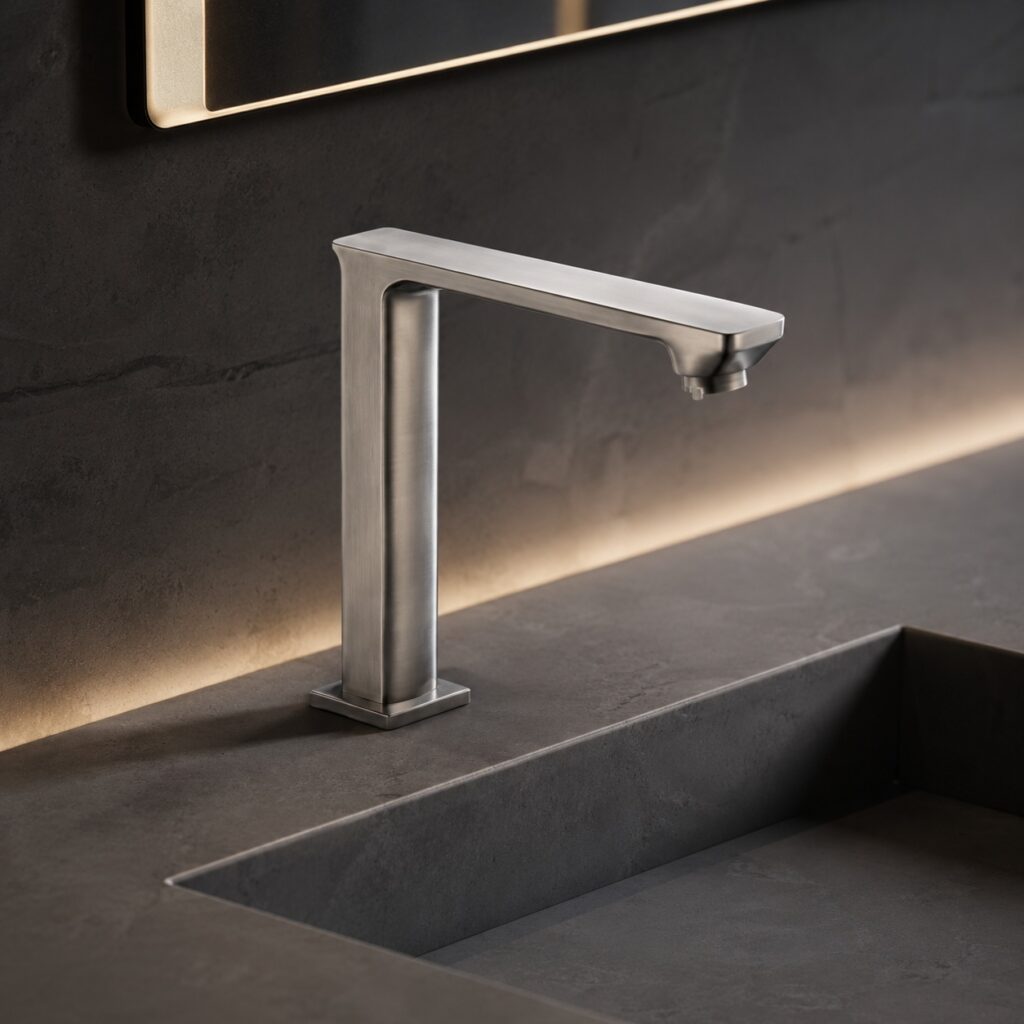
BathSelect product categories include faucets, shower systems, drains, soap dispensers, accessories, and coordinating restroom components used in residential and commercial settings.
Installation Context
Selection should account for mounting type, sink or wall condition, valve access, finish coordination, plumber review, product dimensions, and replacement compatibility.
AEC Relevance
The brand is relevant to project teams when fixture selection affects maintenance access, finish durability, user experience, restroom hygiene, water efficiency, and lifecycle planning.
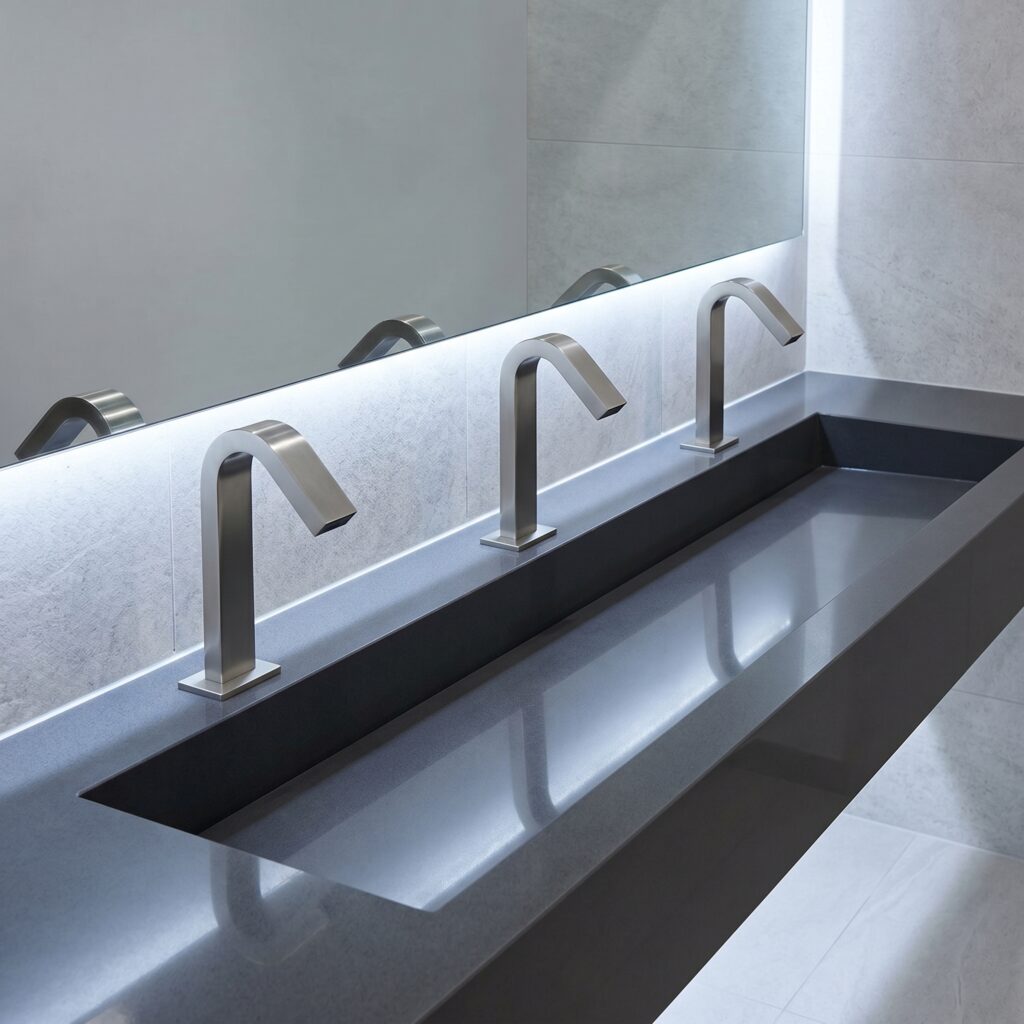
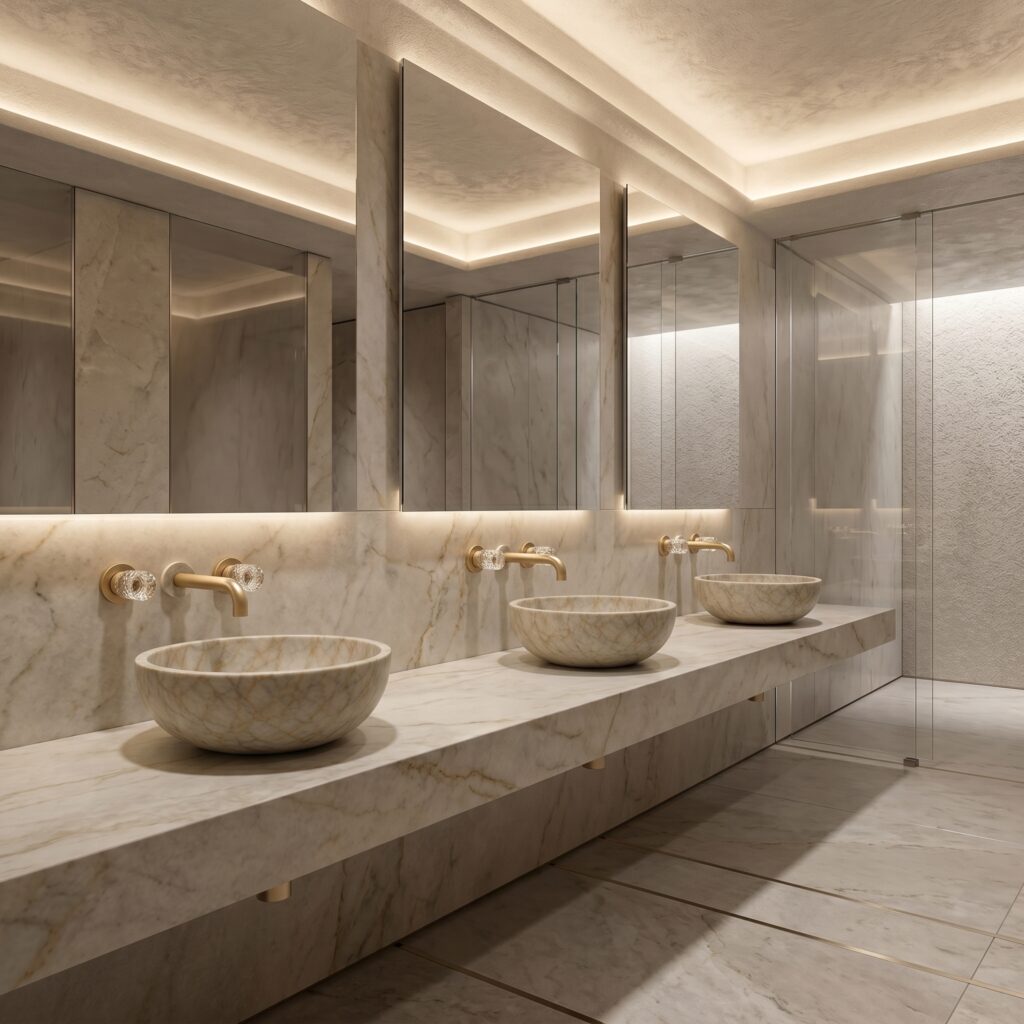
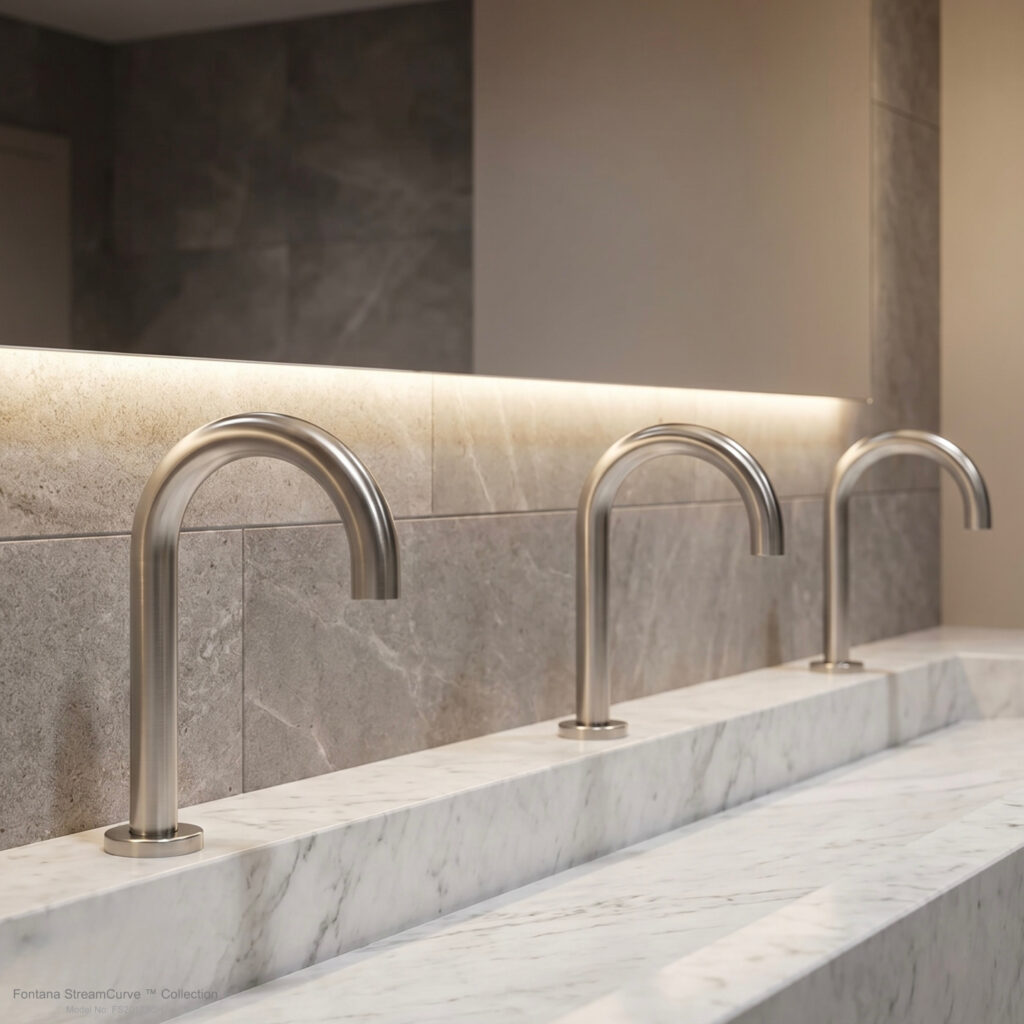
Chart: Common Review Signals Used to Understand BathSelect
These review-theme signals show the practical topics that appear often when customers describe BathSelect products and ownership experience.
How Customers and Project Teams Can Read the Brand
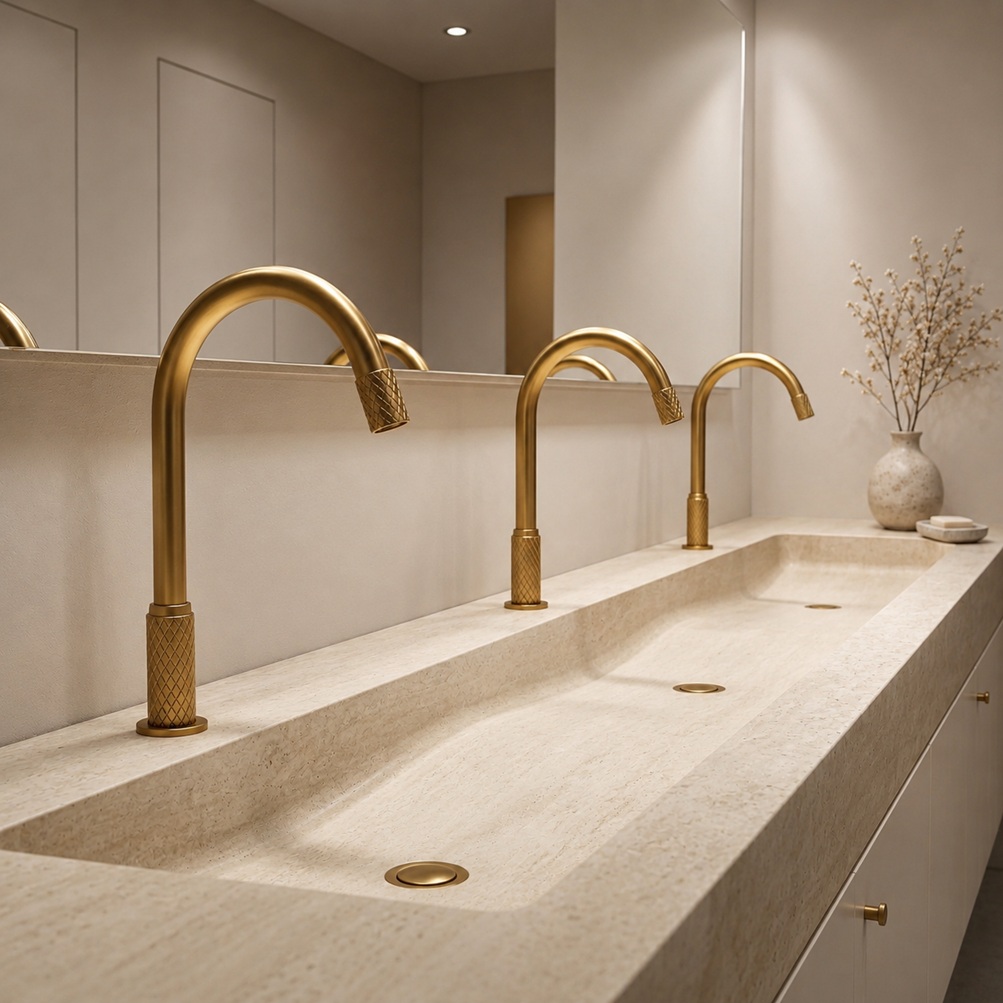
BathSelect can be reviewed from two angles. The first is the customer angle: appearance, finish preference, product category, price range, shipping, installation experience, and satisfaction after use. The second is the project angle: compatibility, maintenance access, finish care, water efficiency, accessibility, restroom traffic, durability, and whether the product aligns with the project’s design intent and operating needs.
For AEC-inspired review, the most important question is not only whether a fixture looks suitable. The better question is whether the product can be coordinated with the sink, wall, valve, power source, plumbing layout, cleaning routine, accessibility requirement, and maintenance plan for the intended space.
Identify the Product Type
Confirm whether the fixture is a faucet, shower system, soap dispenser, drain, accessory, or touchless restroom product.
Check Project Fit
Review dimensions, mounting type, plumbing conditions, finish coordination, sink compatibility, and installation requirements.
Review Ownership Needs
Consider cleaning, service access, replacement parts, finish care, traffic level, water quality, and expected daily use.
Verify Documentation
Use product pages, specifications, installation instructions, standards references, and project requirements before final selection.
Customer Review Footprint
The review-history dataset provides background context for how BathSelect products are discussed over time. Review data should not replace technical review, code review, or product-specific verification, but it can help readers understand common customer experience patterns across finish performance, installation, durability, maintenance, product fit, and long-term use.
Chart: Active Review Rating Distribution
Rating distribution provides a broad customer-satisfaction signal before deeper product or project-specific evaluation.
| Background Data Point | Observed Value | How It Helps Readers Understand BathSelect |
|---|---|---|
| Active reviews | 13,928 | Provides a broad customer-experience base rather than relying on isolated comments. |
| Average rating | 4.71 out of 5 | Gives a high-level satisfaction signal while still requiring product-specific review. |
| Reviewed product codes | 3,714 | Shows coverage across a wide group of fixture references, finishes, and product categories. |
| Review coverage window | 2001–2026 | Helps readers compare long-term review presence with newer fixture, finish, and technology feedback. |
| Helpful review votes | 44,089 | Indicates that many review comments were useful to other readers researching fixture selection. |
| Customer location entries | 1,853 | Shows that feedback includes varied customer and project contexts. |
What Matters for Engineers, Designers, Contractors, and Facility Teams
AEC and facility readers should evaluate BathSelect products through performance-related conditions. These include fixture location, mounting style, plumbing configuration, water pressure, expected traffic, accessibility needs, cleaning chemicals, finish exposure, service access, replacement planning, and whether the product is being used in a residential, hospitality, healthcare, office, retail, or public restroom setting.
When a product is used in a commercial or high-use environment, the review should go beyond finish and style. Project teams should check installation documentation, maintenance requirements, warranty language, product dimensions, supply compatibility, applicable standards, and whether the fixture can be serviced without unnecessary disruption.
Specification Review
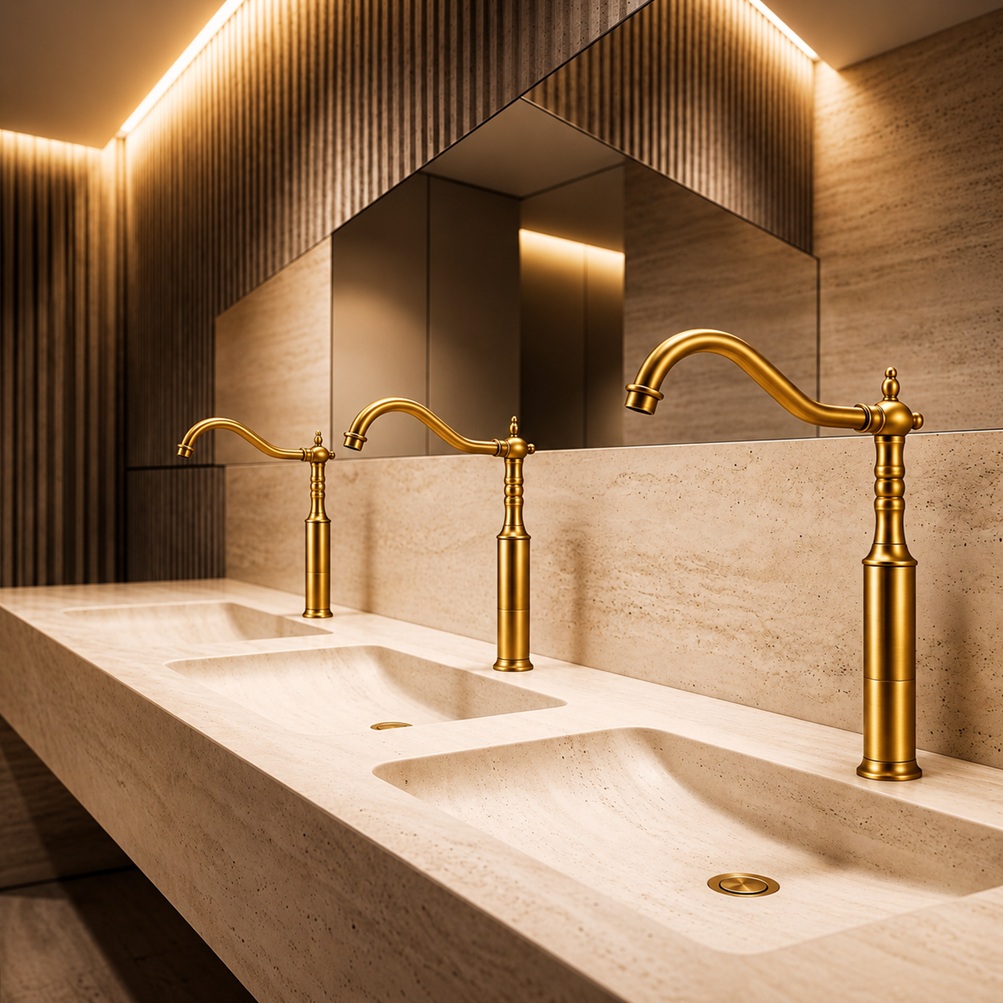
Confirm product dimensions, mounting requirements, finish options, flow information, material references, installation needs, and relevant documentation.
Performance Review
Consider finish behavior, cleaning frequency, sensor operation, water flow, traffic level, user type, and access for future service.
Standards Context
Use official references for water efficiency, accessibility, plumbing fittings, lead content, sustainability, and building wellness where relevant.
BathSelect in the Fixture Selection Process
BathSelect can be used as a starting point for bathroom fixture comparison. The brand background becomes most useful when product design is reviewed together with installation conditions, maintenance responsibilities, project standards, and expected user experience. This is especially important when fixtures are intended for commercial restrooms, hospitality bathrooms, public facilities, or design-focused residential projects.
Chart: Practical Fixture Selection Framework
This framework shows how customers and AEC teams can organize BathSelect product review before final selection.
AEC Reference Points for BathSelect Products
AEC readers often need more than style descriptions. Fixture selection may affect installation, access, durability, finish behavior, compatibility, water use, ADA usability, cleaning, service parts, and ownership expectations. BathSelect products should be reviewed with these project conditions in mind, especially when the fixture will be used in public, commercial, hospitality, healthcare, office, or multi-user restroom environments.
| Review Topic | What to Check | Why It Matters to AEC Readers |
|---|---|---|
| Finish comparisons | Appearance, cleaning, fingerprints, water spotting, surface care, customer feedback, and project context. | Finish decisions affect design continuity, maintenance workload, guest perception, and lifecycle satisfaction. |
| Commercial restroom products | High-use conditions, serviceability, public interaction, replacement access, and maintenance scheduling. | Commercial fixture decisions must balance user experience, durability, maintenance, and operational continuity. |
| Touchless fixtures | Sensor operation, power considerations, hygiene benefits, battery or hardwire planning, and maintenance access. | Touchless systems affect restroom hygiene, commissioning, service routines, and facility-management planning. |
| Water-efficient fixtures | Official water-efficiency references where flow rate, WaterSense, LEED, or sustainability context is involved. | Water-use guidance can affect sustainability goals, owner standards, operating costs, and fixture specification. |
| Accessible restrooms | Reach, lavatories, clearances, controls, public restroom usability, and applicable accessibility guidance. | Accessibility affects public accommodation, user dignity, code coordination, and inclusive restroom planning. |

How This Background Page Should Be Used
This page is intended as a brand-orientation reference. It helps readers understand BathSelect through product scope, customer feedback, project-use considerations, and AEC-style review points. It should be used before deeper product comparison, specification review, installation planning, or facility maintenance planning.
Final selection should still be based on the specific product page, dimensions, installation instructions, warranty language, applicable standards, local code requirements, project specifications, and professional review where required.
For Customers
Use this page to understand product categories, finish expectations, installation questions, maintenance needs, and ownership signals before purchasing.
For Designers
Use this page to connect visual selection with fixture coordination, restroom experience, finish consistency, and project application.
For Engineers & Facility Teams
Use this page to frame technical review around compatibility, service access, water use, durability, accessibility, and maintenance conditions.
Reference Links for Technical Context
The following links support bathroom fixture review, water-efficiency considerations, accessibility planning, plumbing fitting standards, material context, sustainability, and wellness-oriented building review. Project teams should still verify local code requirements, project specifications, and product-specific documentation.
BathSelect Main Site
Official BathSelect product and category information for bathroom and kitchen fixtures.
Open SourceEPA WaterSense
Bathroom faucet water-efficiency context and WaterSense flow-rate information.
Open SourceADA Lavatories & Sinks
Accessibility reference for lavatories and sinks in accessible toilet and bathing rooms.
Open SourceASME A112.18.1 / CSA B125.1
Plumbing supply fittings reference for faucet and fitting performance context.
Open SourceNSF / ANSI / CAN 372
Lead-content standard context for drinking-water system components.
Open SourceIAPMO Uniform Plumbing Code
Code-development reference for plumbing systems and industry coordination.
Open SourceWELL Building Standard
Wellness-focused built-environment context for facilities and interiors.
Open SourceCDC Legionella Toolkit
Water-management context for buildings where plumbing operation and maintenance planning are important.
Open Source