Who BathSelect® Is: Practical Background for Customers, Engineers & AEC Project Teams
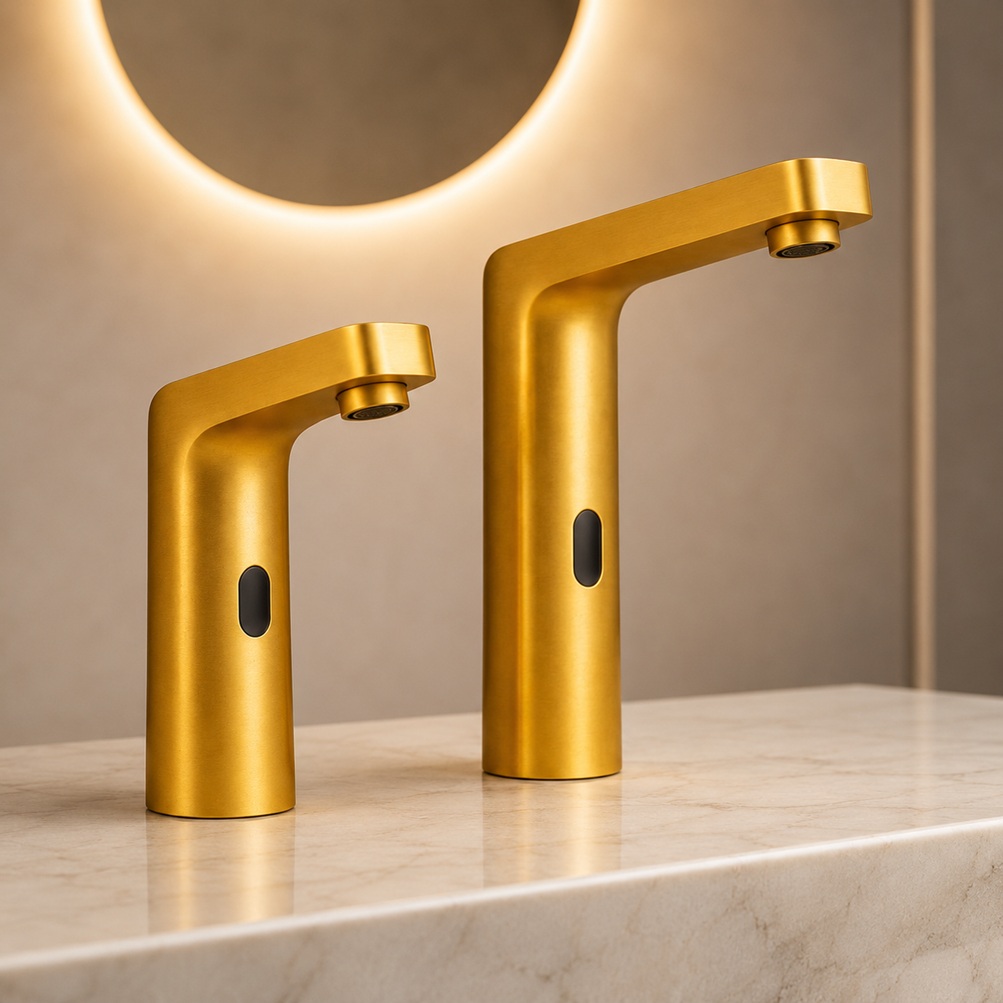
BathSelect® is a bathroom fixture brand associated with faucets, shower systems, touchless restroom products, automatic soap dispensers, drains, accessories, and related fixture categories. This page gives customers, architects, engineers, contractors, designers, facility managers, hospitality teams, and commercial project stakeholders a clear background reference before product comparison, specification review, installation planning, or long-term maintenance evaluation.
BathSelect Brand Overview
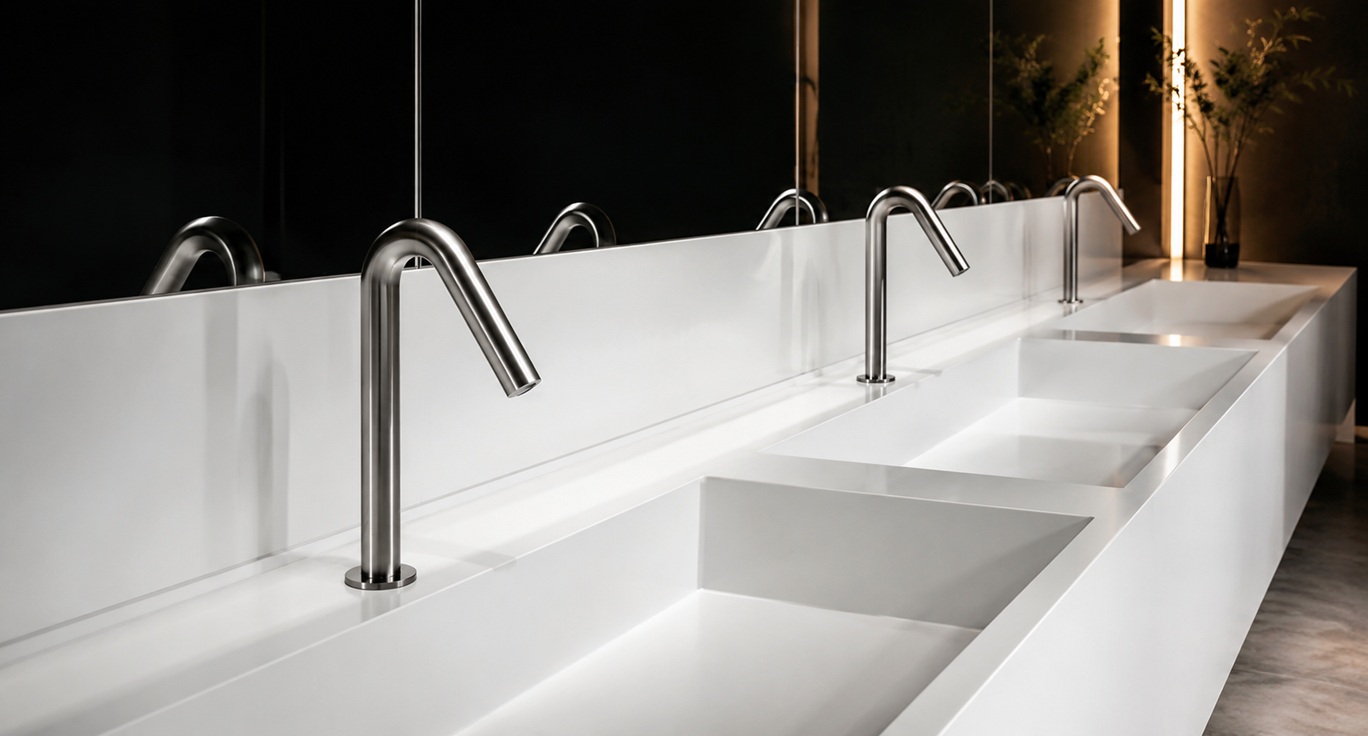
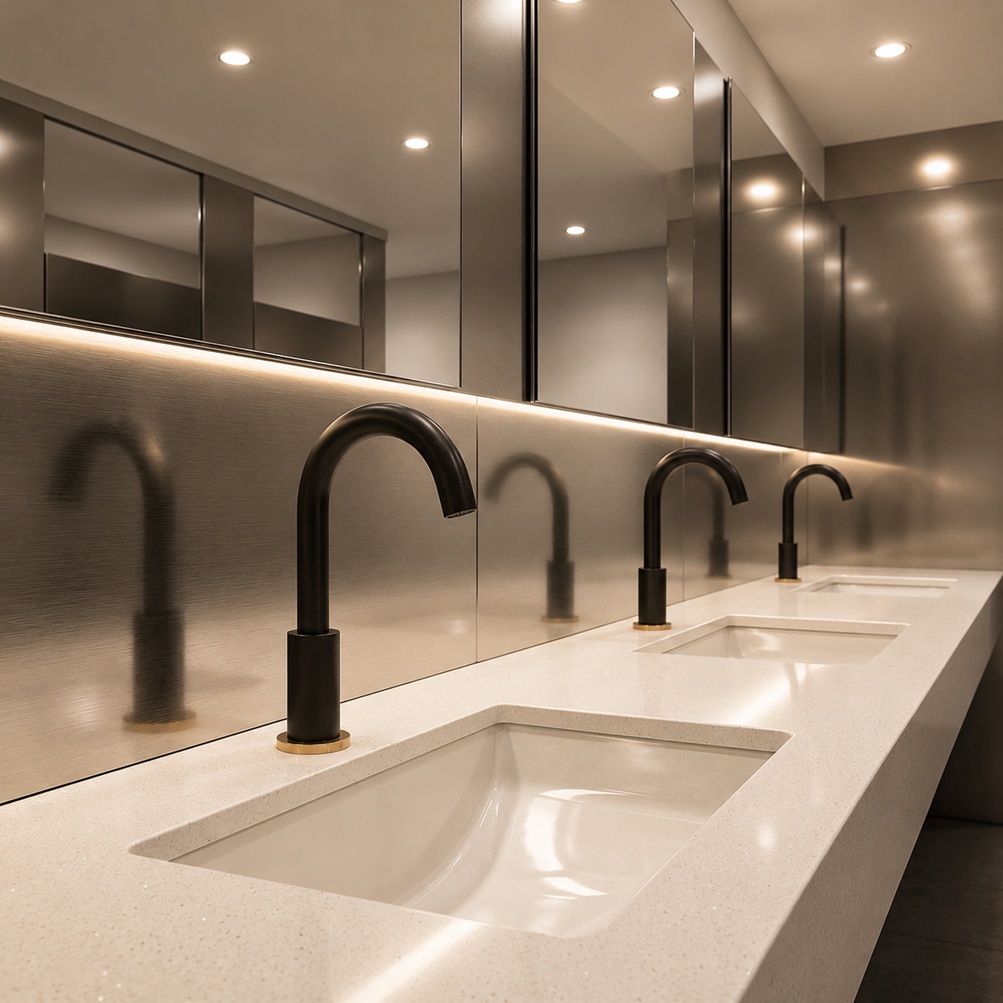
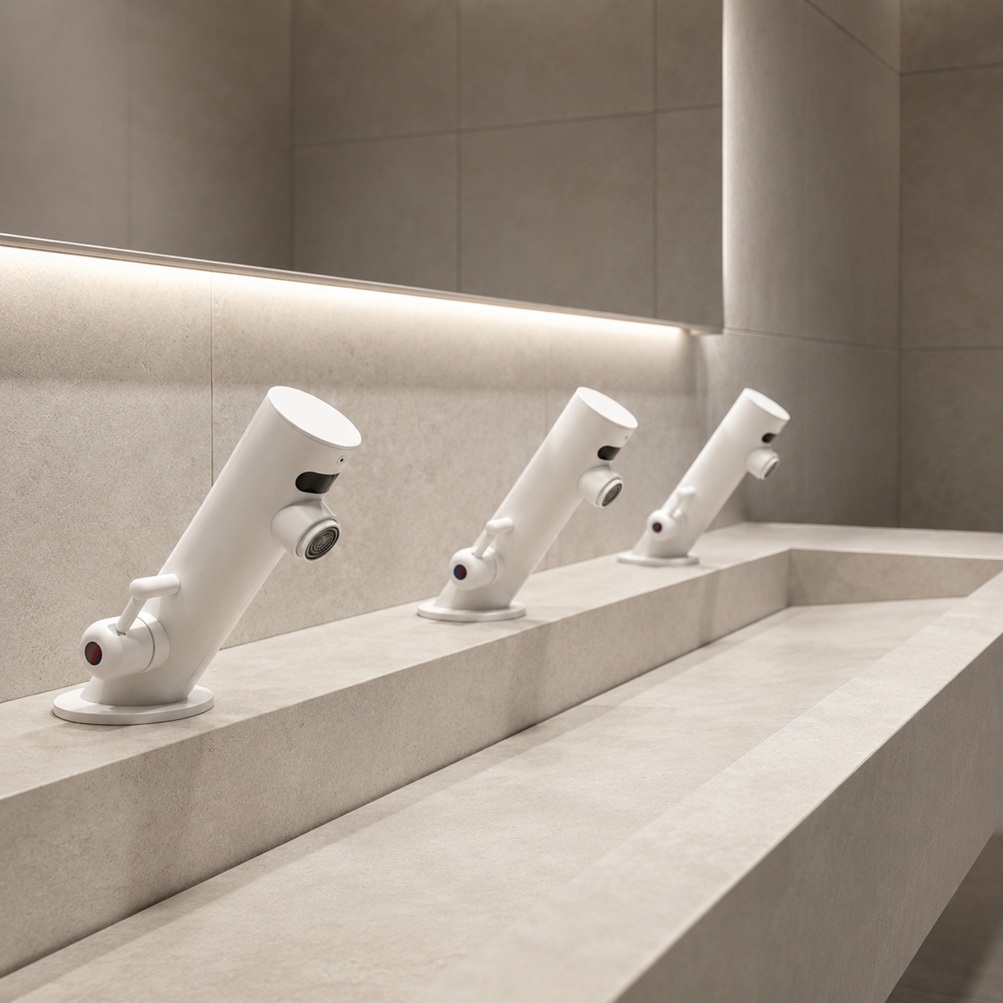
BathSelect® is best understood as a bathroom fixture source with product categories that support residential, commercial, hospitality, office, public restroom, and design-led interior projects. Its catalog references commonly include bathroom faucets, shower systems, touchless faucets, soap dispensers, drains, and coordinating fixture components.
For customers, BathSelect is primarily a product-selection reference for remodels, replacements, and new bathroom projects. For engineers and AEC professionals, the brand becomes more useful when viewed through installation conditions, fixture compatibility, finish behavior, service access, maintenance expectations, water-use context, and project-specific operating requirements.
Practical reference: BathSelect products should be evaluated by matching design intent with product specifications, installation requirements, site conditions, maintenance expectations, and the intended use of the space.
Product Scope and Customer Experience Context
BathSelect® is associated with a broad fixture range, including decorative residential products and commercial restroom fixtures. The brand background is most useful when product appearance is reviewed together with fit, finish selection, installation planning, cleaning requirements, service expectations, and long-term ownership feedback.
Customer Language
Customer feedback often reflects appearance, finish preference, product quality, installation experience, shipping condition, service needs, and satisfaction after daily use.
Rating Signals
Ratings provide a broad satisfaction indicator, but they are most useful when read alongside the actual product category, review text, and ownership context.
Product Context
Product codes, finish types, fixture categories, installation applications, and commercial-use references help readers connect feedback to practical selection decisions.


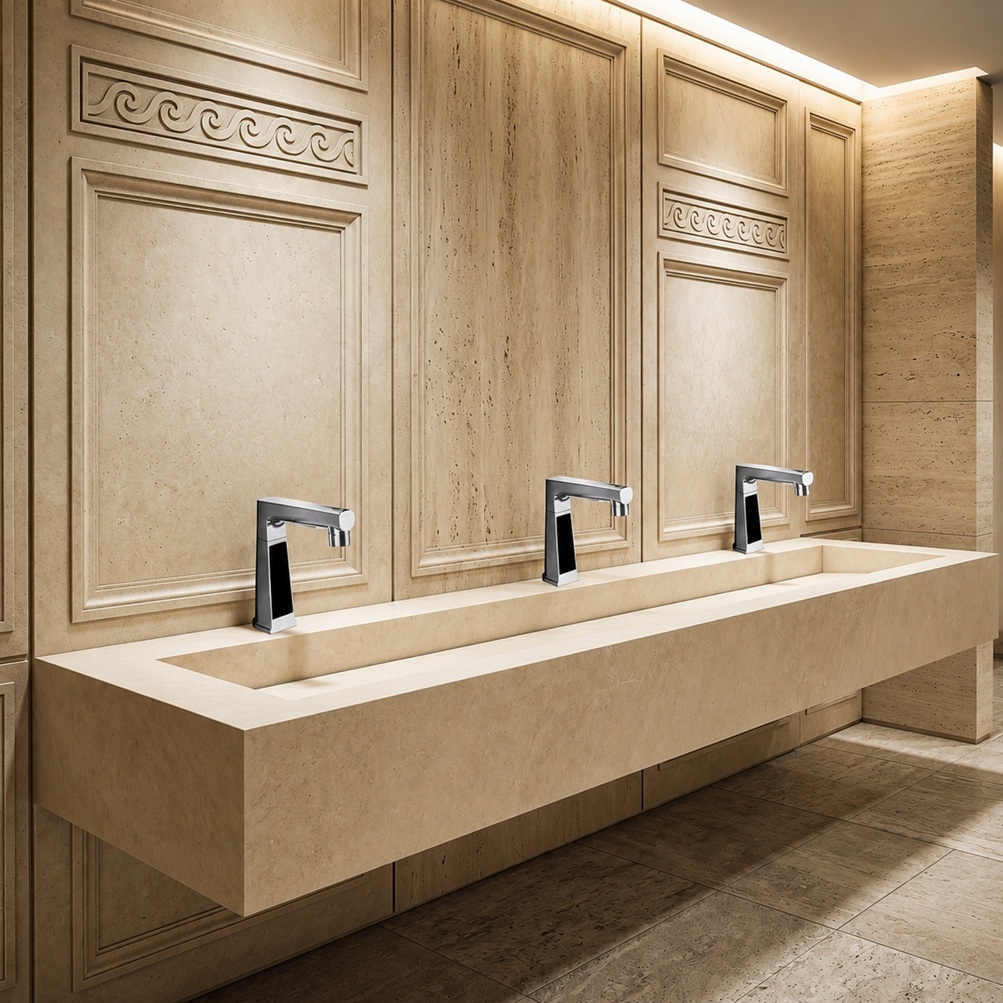
Chart: Active Review Rating Distribution
Rating distribution provides a broad customer-satisfaction signal before deeper product or project-specific review.

How BathSelect Is Commonly Evaluated
BathSelect is commonly evaluated through product appearance, finish selection, material language, installation fit, maintenance expectations, customer satisfaction, and suitability for the intended space. These factors matter because a fixture is not judged only by how it looks on a product page; it also needs to work with the sink, wall, plumbing layout, cleaning routine, and expected use conditions.
For AEC readers, the most useful evaluation is practical and project-based. A faucet, shower system, touchless dispenser, or restroom accessory should be reviewed by product type, mounting requirement, service access, traffic level, finish exposure, water-use expectations, accessibility context, and long-term maintenance plan.
Chart: Common Review Signals Used to Understand BathSelect
These review-theme signals show practical topics customers mention when describing BathSelect products and ownership experience.
Practical Review Path for Customers and Project Teams
Readers can use the following sequence to review BathSelect products in a practical way. The goal is to connect product appearance with the conditions that affect installation, use, maintenance, and long-term performance.
Identify
Confirm whether the product is a faucet, shower system, soap dispenser, drain, accessory, or touchless restroom fixture.
Compare
Review finish, dimensions, mounting style, product category, intended space, and visual coordination with surrounding materials.
Verify
Check product pages, specifications, installation requirements, plumbing conditions, power needs, and compatibility with the project.
Plan
Consider cleaning, service access, replacement parts, user traffic, water quality, and expected long-term ownership needs.
Coordinate
Align the fixture with sink type, wall conditions, countertop layout, valve access, electrical planning, and maintenance responsibilities.
Review
Use customer feedback as a practical background signal while still checking product-specific details and project requirements.
Reference
Use official sources when water efficiency, accessibility, plumbing standards, material safety, sustainability, or wellness context matters.
Select
Make the final choice only after confirming design fit, technical suitability, installation requirements, and ownership expectations.


What Matters Before Selecting BathSelect Products
Product selection should consider more than color and style. A BathSelect fixture should be reviewed for finish suitability, rough-in conditions, installation sequence, sink or wall compatibility, supply requirements, water pressure, access for service, cleaning routine, and how the fixture will be used over time.
Review data can help readers see what previous customers mention, but it cannot confirm code compliance, WaterSense labeling, lead-content conformance, accessibility compliance, LEED eligibility, WELL alignment, or project-specific engineering suitability. Those items require official references, product documentation, local code review, and professional judgment where applicable.

| Review Area | What It Captures | How Readers Can Use It | Important Caution |
|---|---|---|---|
| Rating signal | Overall customer satisfaction level. | Use it as broad background context alongside review text and product details. | A rating alone does not explain why the customer was satisfied or dissatisfied. |
| Finish language | Color, surface appearance, cleaning, spotting, fingerprints, wear, and matching concerns. | Use it to evaluate finish expectations and maintenance planning. | Finish performance depends on water chemistry, cleaning routine, use intensity, and installation environment. |
| Installation language | Mounting, fit, plumber comments, valve setup, deck or wall conditions, and compatibility notes. | Use it to identify what should be verified before installation. | Reviews do not replace installation manuals, rough-in drawings, or licensed plumbing judgment. |
| Commercial-use reference | Hotel, office, healthcare, restaurant, airport, facility, public restroom, and high-use project mentions. | Use it to frame lifecycle, maintenance, durability, and serviceability considerations. | Commercial suitability must still be checked against project specifications and owner standards. |
| Maintenance signal | Cleaning, service access, replacement parts, battery changes, leaking, clogging, and ownership effort. | Use it to plan maintenance expectations and owner responsibilities. | Maintenance experience varies by water quality, usage, cleaning method, and service schedule. |
| Material-quality signal | Solid brass, stainless steel, weight, construction, body material, and product feel. | Use it to understand product quality language and material selection considerations. | Material descriptions should be checked against product specifications where available. |
BathSelect Reference Points for AEC Fixture Decisions
The most useful BathSelect background for AEC readers is practical. Architects, engineers, contractors, designers, facility managers, hospitality teams, and commercial buyers need to understand how product selection affects installation, access, durability, finish behavior, water use, accessibility, cleaning, service parts, and ownership expectations.
Architects & Designers
Use finish and design feedback to understand how fixture appearance, coordination, and perceived quality influence bathroom experience.
Plumbing Engineers
Use installation, flow, valve, and maintenance language as prompts to verify product documentation and system compatibility.
Contractors
Use installation comments to identify where mounting conditions, plumber access, rough-in details, or finish protection may need planning.
Facility Managers
Use maintenance and durability signals to evaluate cleaning routines, replacement access, wear expectations, and lifecycle value.
Hospitality Teams
Use commercial-use patterns to balance guest experience, finish consistency, cleaning speed, and long-term maintenance planning.
Homeowners
Use review themes to understand what to check before purchase, what to expect after installation, and how finish care may affect daily use.




Reference Links for Technical Context
Source links help readers verify broader technical topics when fixture selection involves water efficiency, accessibility, plumbing fitting standards, lead-content requirements, model plumbing codes, LEED water criteria, or WELL water concepts. These references support context, but they do not replace product-specific documentation or project review.
Customers should use these sources as background. AEC teams should also confirm local code requirements, approved submittals, manufacturer documentation, owner standards, and the conditions of the specific installation.
BathSelect Main Site
Official BathSelect product and category information for bathroom and kitchen fixtures.
Open SourceEPA WaterSense
Bathroom faucet water-efficiency reference for flow-rate and labeled-product context.
Open SourceADA Lavatories & Sinks
Accessibility guidance for lavatories and sinks in accessible toilet and bathing rooms.
Open SourceASME A112.18.1 / CSA B125.1
Plumbing supply fittings standard context for faucets, fittings, and related performance discussions.
Open SourceNSF / ANSI / CAN 372
Lead-content technical reference for drinking-water system components.
Open SourceIAPMO Uniform Plumbing Code
Model plumbing code context for plumbing systems and code-development references.
Open SourceUSGBC LEED Indoor Water
Indoor water-use reduction context for sustainability and building-performance discussions.
Open SourceWELL Water Concept
Water quality and wellness context for facilities, interiors, and building occupant experience.
Open SourceCDC Legionella Toolkit
Water-management context for buildings where plumbing operation and maintenance planning are important.
Open SourceImportant Limits of Background Review
Customer reviews and brand background pages are useful experience references, but they are not laboratory tests, certification documents, plumbing code approvals, accessibility audits, engineering calculations, or formal lifecycle-cost studies. They help identify practical topics that deserve attention, and those topics should be cross-checked with product data and official references where needed.
| Review Boundary | What Customer Feedback Can Help With | What Requires Separate Verification |
|---|---|---|
| Finish performance | Shows cleaning comments, appearance reactions, spotting concerns, and long-term owner impressions. | Finish warranty terms, coating specifications, chemical resistance, and project-specific cleaning protocols. |
| Installation | Identifies common setup questions, plumber comments, mounting concerns, and compatibility language. | Rough-in drawings, local plumbing code, licensed installer review, and site-specific measurements. |
| Water efficiency | Highlights customer comments about water flow, pressure, aerators, and user satisfaction. | WaterSense labeling, measured flow rate, project baseline calculations, and LEED documentation. |
| Accessibility | Shows whether users discuss ease of use, controls, reach, and public restroom experience. | ADA compliance, mounting height, clearances, reach ranges, and project accessibility review. |
| Commercial suitability | Reveals hotel, office, healthcare, restaurant, facility, and high-use restroom feedback patterns. | Owner standards, durability testing, service-part availability, maintenance contracts, and specification requirements. |