Technical Overview of Motion Detection Infrared Faucet Installation
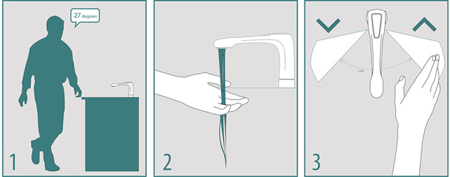
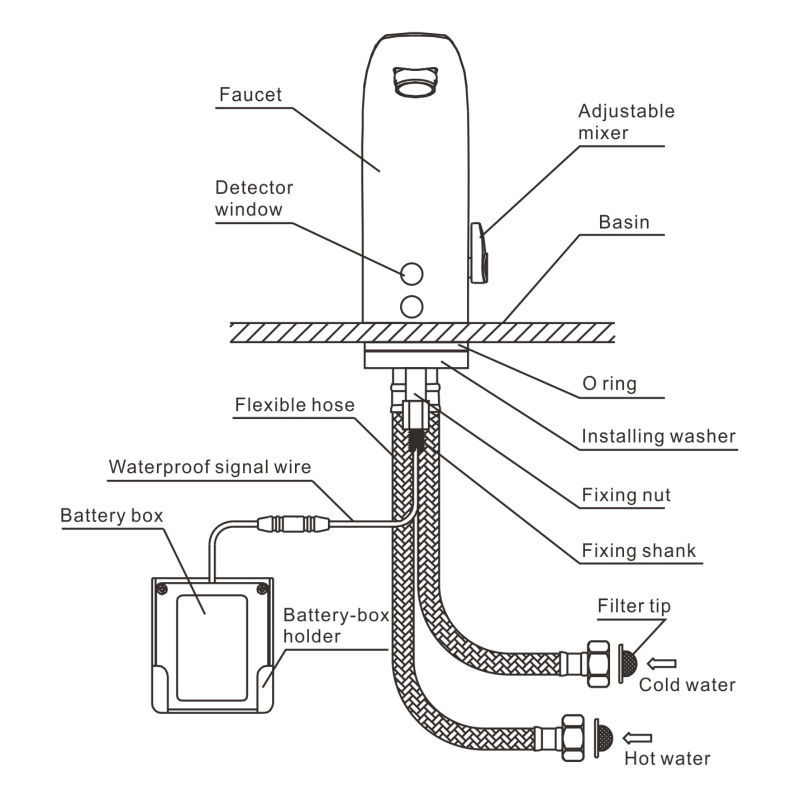
Installing motion detection infrared sensor faucets requires careful coordination between electronic sensor components and traditional plumbing infrastructure to ensure reliable long-term operation. Plumbing installers and facility engineers typically evaluate several operational factors during installation, including correct positioning of the infrared sensor detection zone to avoid false activation from nearby movement, proper alignment of the faucet spout relative to sink geometry to prevent splash-out, secure connection of solenoid valves and water supply lines, and stable water pressure conditions within the building plumbing network. Additional considerations often include aerator accessibility for cleaning mineral buildup in hard-water environments, battery or power supply configuration for the sensor control module, and adequate service clearance beneath the sink for maintenance of electronic components. These installation practices help ensure that infrared sensor faucets maintain accurate hand detection, controlled water-flow timing, and dependable performance across high-traffic environments such as airports, hospitals, office buildings, and other commercial restroom facilities.
Installation Instructions For Motion Detection Infrared Sensor Faucets