Water Efficiency Planning
Efficient Design Methods
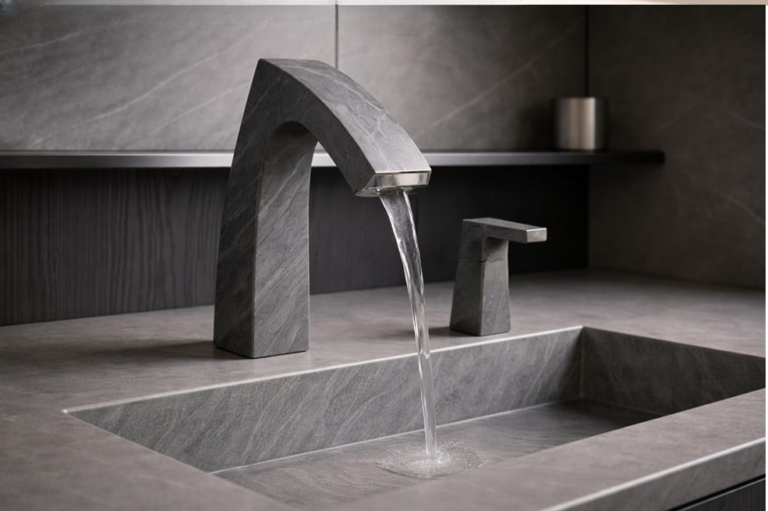
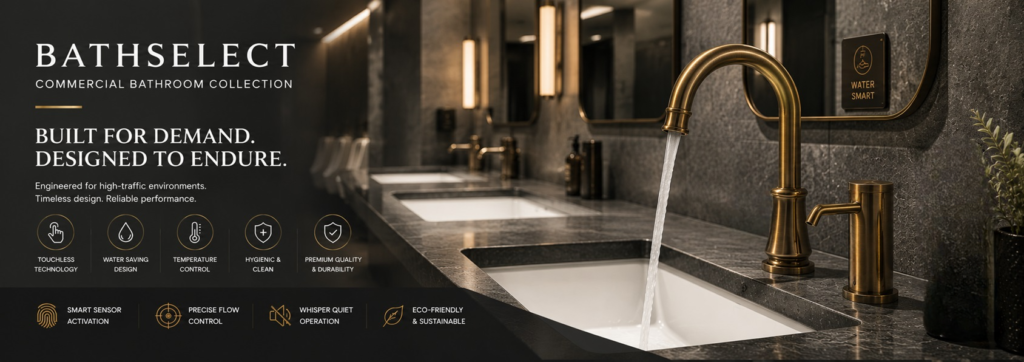
Water-saving touchless faucet and soap dispenser systems should be planned with accurate sensor timing, controlled flow rates, compatible aerators, and coordinated sink placement. These details help reduce unattended water use while improving restroom hygiene and user convenience in commercial and luxury bathroom environments.
Facility teams should also review power access, soap viscosity, maintenance reach, and finish durability before installation. Routine inspection of sensors, aerators, and dispenser mechanisms supports reliable performance while helping preserve water efficiency and a cleaner restroom presentation.
Efficiency Barriers
Avoid using poorly calibrated sensors that allow water to run longer than needed or fail to activate consistently. Incorrect faucet reach, shallow sink bowls, reflective surfaces, and improper mounting heights can increase splash, reduce comfort, and limit water-saving performance.
Harsh cleaners, clogged aerators, neglected batteries, and incompatible soap formulas may also affect long-term fixture reliability. Careful planning helps maintain lower water use, smoother handwashing flow, and better restroom performance over time.
Water-Saving Performance Matrix
| Feature | Recommended Focus | Efficiency Benefit |
|---|---|---|
| Sensor Timing | Fast activation with auto shutoff | Reduces unattended water flow. |
| Aerator Selection | Controlled stream and splash reduction | Improves comfort while limiting waste. |
| Soap Pairing | Compatible viscosity and accurate dispense volume | Reduces excess soap use and cleanup. |
| Maintenance Access | Easy sensor, power, and aerator servicing | Maintains consistent long-term performance. |