Water-Saving Shower Systems for Hotels
A well-planned water-saving shower system is no longer a niche sustainability upgrade for hotels. It is a design, operations and guest-experience decision affecting utility consumption, energy demand, housekeeping efficiency, maintenance workload, guest satisfaction and long-term asset value.
For architects, owners, developers, procurement teams, MEP consultants and hotel operators, the selected system must do more than reduce gallons per minute. It should support brand positioning, thermal consistency, premium appearance, corrosion resistance, maintenance access and reliable performance during high-occupancy schedules.
Every shower cycle also carries a hidden operational cost. Hotels pay to heat the water, circulate it through the building, clean around the fixtures, replace worn components and respond to complaints involving inconsistent pressure or fluctuating temperature.
A more complete hotel shower strategy therefore combines efficient flow management with thermostatic control, serviceable valves, durable finishes and coordinated components such as rainfall heads, hand showers, body sprays, digital controls and, where appropriate, sensor-assisted functions.


Why Hotels Need a Dedicated Water-Saving Shower Strategy
Hotels operate differently from single-family residences. Peak use is compressed into predictable windows, room turnover is frequent, guest expectations vary by region and brand tier, and every fixture must tolerate repeated use by occupants with different habits.
A shower that appears adequate in a private home can underperform in a hotel because the duty cycle is higher and tolerance for inconsistency is lower. An unsatisfactory shower experience can lead to complaints, service calls or room compensation. Hospitality teams therefore need to treat the shower as a purpose-built operating system rather than as a commodity fixture.
Water-saving performance should also be evaluated as a system issue, not as a single-product issue. Flow rate matters, but so do pressure-balancing or thermostatic valves, anti-scald behavior, cartridge quality, nozzle geometry, spray distribution, pipe sizing, housekeeping access and replacement-part availability.
The objective is not merely to restrict water. The objective is to deliver a satisfying shower while managing water and heated-water consumption more intelligently. Spray-pattern optimization, balanced coverage and consistent temperature can help support perceived comfort at reduced consumption levels.
For hotel ownership groups, this is also an operational-resilience consideration. Utility costs vary, sustainability reporting is increasingly visible, and new builds and renovations are evaluated on more than aesthetics alone. A disciplined shower specification can connect design quality, resource management and long-term operating performance.
AEC Selection Criteria for Hotel Shower Systems
AEC teams should review hotel shower systems using a layered selection framework. The first layer is hydraulic performance. The system should deliver a controlled shower at the intended flow profile and behave predictably as building demand changes.
The second layer is safety and control. Thermostatic management, anti-scald behavior and intuitive controls support guest comfort and risk management. The third layer is maintainability. Access to cartridges, trim components, nozzles and hand-shower hardware can substantially influence labor cost during the life of the property.
Material selection is equally important. Hotel bathrooms are exposed to water chemistry, cleaning agents, humidity and frequent handling. Solid-brass valves, corrosion-resistant metals, durable coatings and reliable seals can improve lifecycle performance.
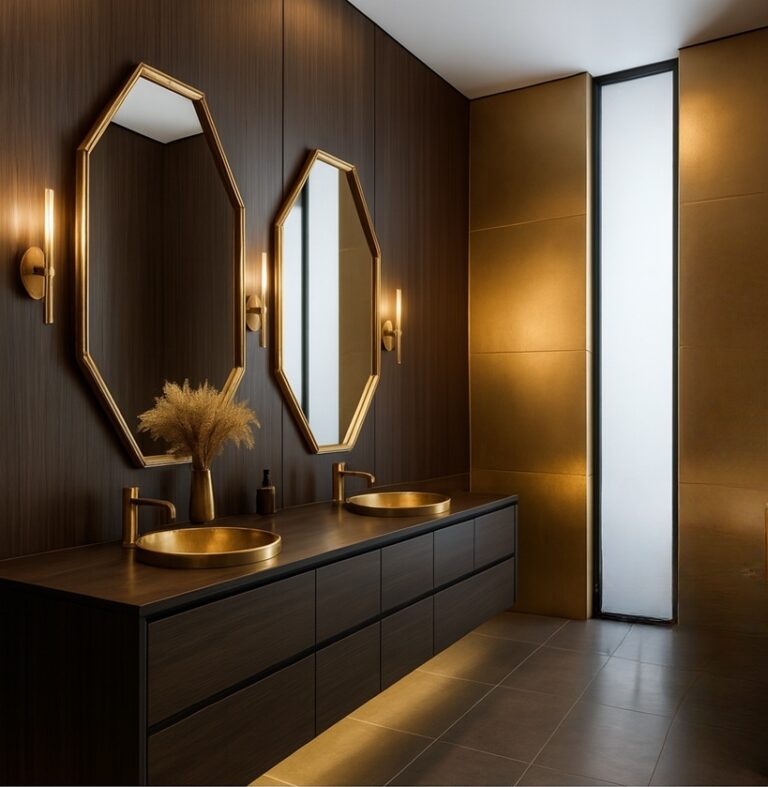
Finish coordination also matters. The shower system should integrate with the faucet collection, vanity hardware, accessories, mirror strategy and overall visual language of the guestroom.
Project teams should also evaluate platform flexibility. A coordinated manufacturer program that can serve standard rooms, accessible rooms, suites and spa-oriented categories can reduce procurement complexity and support a consistent design language.
| Evaluation Area | Why It Matters in Hotels | Specification Focus |
|---|---|---|
| Flow Efficiency | Direct impact on water and hot-water consumption | Balanced low-flow design with satisfying spray coverage |
| Thermal Control | Supports guest comfort during demand changes | Thermostatic mixing and intuitive operation |
| Maintenance Access | Can reduce room downtime and service labor | Serviceable cartridges, accessible trim and replaceable parts |
| Finish Durability | Helps maintain room appearance under repeated cleaning | Corrosion resistance and durable coatings |
| Guest Interface | Can reduce operational confusion and service calls | Clear controls, simple icons and predictable response |
Why Lower Flow Still Needs to Feel Refined
Guests rarely select a hotel because a shower saves water, but they will notice if the experience feels weak, inconsistent or difficult to control. The design challenge is to preserve the physical qualities associated with premium showering while improving resource efficiency.
Coverage geometry, nozzle arrangement, pressure management and head dimensions all affect perceived abundance. A carefully designed system can feel generous without relying on unnecessary water consumption.
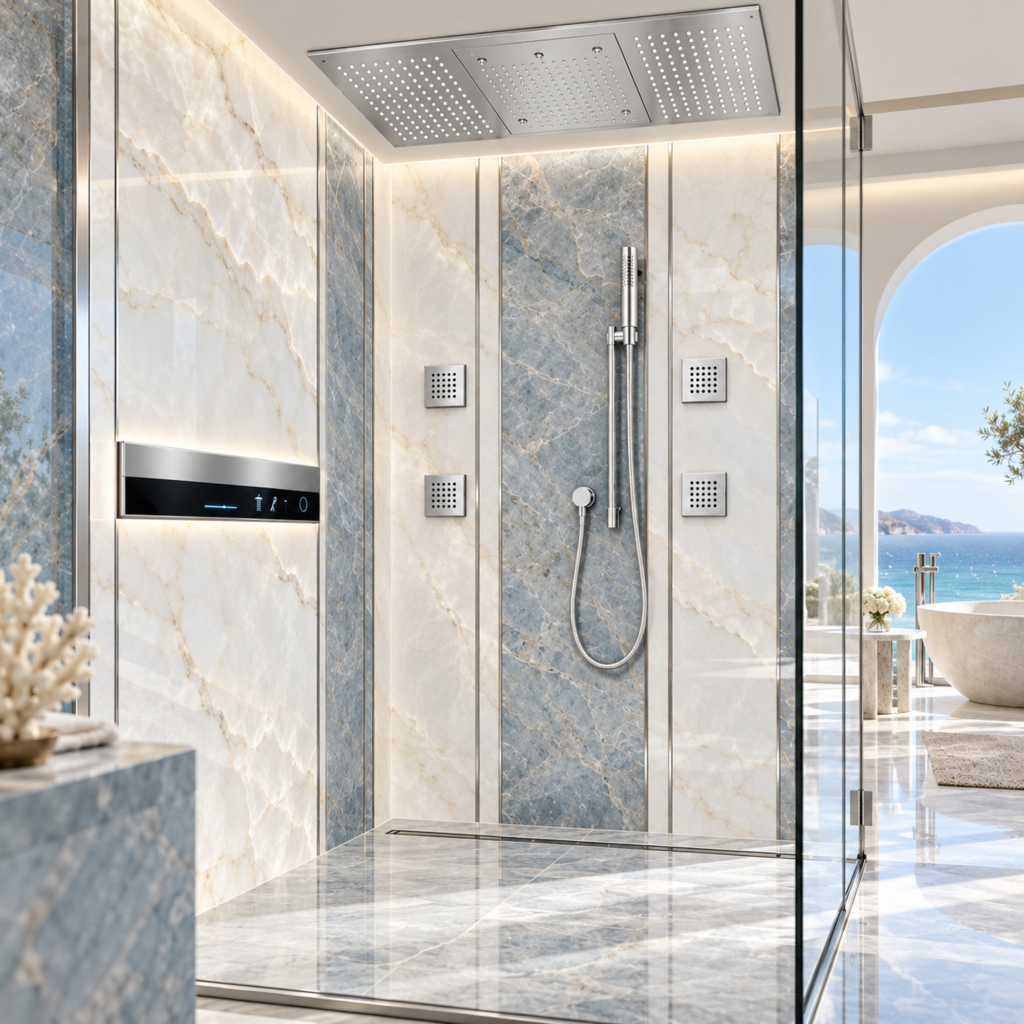
Rainfall systems are common in hotel bathrooms because they immediately communicate a premium shower experience. Overhead rain, however, may not meet every guest need. Many hospitality projects pair the primary head with a hand shower for rinse flexibility, accessibility support and easier cleaning of the enclosure.
Upgraded rooms may also add body sprays or multifunction water delivery, but the design should remain disciplined. Additional outlets do not automatically improve performance. They must be coordinated with available pressure, drainage, hot-water capacity and the overall room configuration.
A water-saving hotel shower should therefore feel intentional and professionally tuned rather than compromised.
Water-Saving Shower System Types for Hotel Projects
Different hotel categories call for different shower architectures. Limited-service properties often prioritize simplicity, fast maintenance and dependable comfort. Upscale urban hotels may favor streamlined digital or thermostatic systems with a stronger design identity. Resorts and wellness-oriented properties may layer rainfall, hand-shower and massage functions into a more immersive experience.
Thermostatic Rainfall + Hand Shower
A practical base specification for many hospitality applications, combining temperature stability, broad guest usability and straightforward operation.
Digital Smart Shower System
Relevant to premium properties seeking precise control, contemporary styling and a stronger technology component.
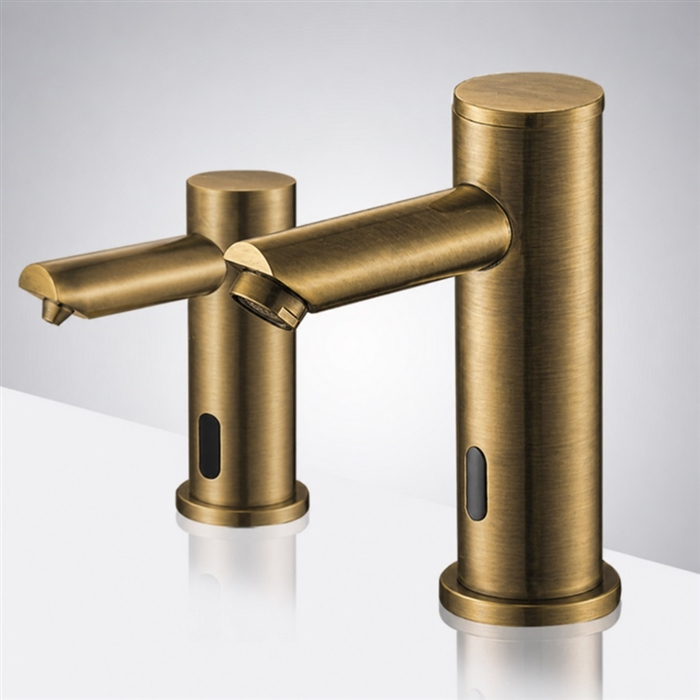
Automatic / Sensor-Assisted Shower
Applicable to locker rooms, fitness areas, staff facilities and selected commercial hospitality spaces where timed operation may support controlled water use.
Multifunction Spa-Style System
Suitable for suites, branded residences and resort accommodations where the shower is part of the premium room experience.
The appropriate configuration depends on property type, room category, room size, hot-water capacity and brand standards. A project can use one core system for standard guestrooms while reserving more complex systems for suites or signature inventory.
Water, Energy & Lifecycle ROI
The business case for a hotel water-saving shower system becomes more complete when owners consider heated-water savings rather than water volume alone.
Reducing unnecessary hot-water use can reduce demand on boilers, water heaters, recirculation and associated infrastructure. Across hundreds of guestrooms and thousands of occupied room nights, even moderate efficiency improvements can become meaningful.
Lifecycle planning is equally important. A lower-cost fixture can become an expensive ownership decision if replacement parts are difficult to source, finishes deteriorate quickly or inconsistent cartridges generate repeated work orders.
A more durable hospitality-oriented system may offer better total value when it supports room uptime and reduces maintenance disruption. The real cost of the shower package includes service labor, access, unavailable rooms, replacement parts and guest dissatisfaction in addition to initial procurement.
A practical ROI review should therefore consider initial procurement, water and heated-water use, maintenance burden and guest-perceived quality together.
Hotel Shower Specification Checklist
- Define the intended shower experience by room category before reviewing products.
- Confirm the preferred flow-performance profile for standard rooms, accessible rooms and suites.
- Evaluate thermostatic or equivalent high-control solutions where temperature consistency is critical.
- Coordinate with plumbing engineers on available pressure, hot-water delivery and peak-demand assumptions.
- Select finishes compatible with housekeeping chemistry and the property’s visual standards.
- Prioritize serviceable components and realistic replacement-part availability.
- Keep controls intuitive so first-time guests can understand operation quickly.
- Use hand showers strategically for flexibility, accessibility and enclosure maintenance.
- Reserve more complex multifunction systems for room categories whose design brief and infrastructure support them.
- Standardize equipment where appropriate to simplify maintenance, training, parts stocking and future renovation.
Build the Shower Around the Room Category and Infrastructure
For many hotel projects, a thermostatic rainfall shower paired with a hand shower can provide a practical balance of resource-conscious operation, guest familiarity, design flexibility and maintainability.
Premium properties can extend the same visual language into digital or multifunction configurations for suites and signature rooms, provided the required pressure, hot-water supply, drainage and service strategy have been coordinated.
The most appropriate hotel shower system is not necessarily the one with the greatest number of functions. It is the configuration that aligns water use, guest experience and long-term operations with the specific property.
Frequently Asked Questions
What shower configuration works well for many hotel guestrooms?
The source identifies a thermostatic rainfall shower with a hand shower as a practical general configuration because it combines temperature consistency, flexible use and straightforward maintenance planning.
Do water-saving shower systems reduce guest satisfaction?
Not necessarily. Spray engineering, stable temperature control and intuitive operation can preserve a premium experience while reducing unnecessary consumption.
Are digital shower systems suitable for hotels?
They can be suitable for upscale properties and suites where precise control and contemporary design are part of the room concept, provided maintenance and service requirements are understood.
Where do sensor showers make sense in hospitality?
Sensor-controlled or automatic showers are particularly relevant to fitness areas, pool facilities, staff changing rooms and other commercial-use hospitality spaces where timed operation may support water-management goals.
Why should lifecycle value be considered alongside purchase price?
Hotel ownership cost includes service labor, room downtime, finish durability, guest complaints, replacement parts, water use and hot-water demand over years of operation.
Hotel Shower Systems, Controls & Water-Delivery Components
Continue from planning into product categories relevant to hotel shower specification.
Water-Efficient Shower Systems for Hospitality Projects
Hotel shower systems should balance efficient water use with guest comfort, stable temperature, durable finishes, and serviceability. For specification, review flow performance, thermostatic control, pressure conditions, hot-water demand, drainage, maintenance access, spray coverage, and component durability across standard rooms, suites, and wellness spaces.
Explore Hospitality Shower Systems