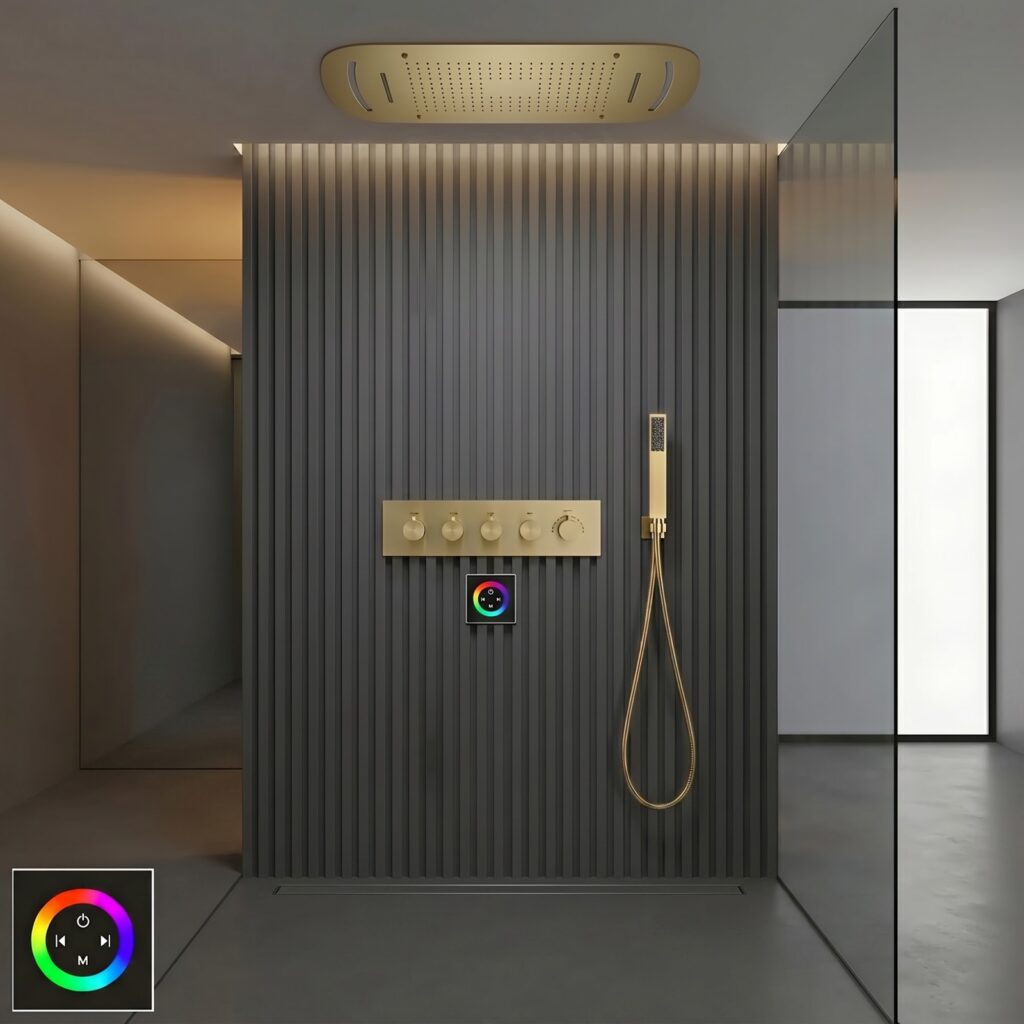
Luxury Hotel Bathroom Specifications Guide
Luxury hotel bathrooms have become an essential component of guest satisfaction, operational efficiency, and brand identity. Architects, hotel developers, interior designers, engineers, and hospitality owners increasingly specify bathroom fixtures based on long-term durability, sustainability, accessibility, maintenance requirements, and premium guest experiences. A well-designed hospitality bathroom combines elegant aesthetics with technical performance while meeting recognized industry standards and modern building requirements.
Planning Luxury Hospitality Bathrooms
Successful luxury hotel projects begin with coordinated planning between architects, plumbing engineers, interior designers, procurement teams, and hotel operators. Premium bathrooms should provide intuitive operation, easy maintenance, water efficiency, guest comfort, accessibility, and timeless aesthetics.
Hospitality fixture collections from
Luxury Hospitality Shower Systems,
Hospitality Rainfall Shower Heads,
Hospitality Shower Panels,
Hospitality Bathroom Faucets
help create coordinated guest bathroom environments while
BathSelect Shower Systems
provide additional residential and commercial specification references.
Industry Specification References
Hospitality Design Resources
Many of today’s luxury hotels draw inspiration from internationally recognized hospitality architecture firms including
Gensler,
HBA,
WATG,
Rockwell Group,
Perkins&Will,
HKS
whose work demonstrates the importance of integrating architecture, wellness, lighting, engineering, and premium bathroom fixtures.
Frequently Asked Questions
1. Should luxury hotels use identical bathroom specifications throughout the property?
Not necessarily. Suites, executive floors, wellness rooms, and standard guestrooms often require different fixture specifications to balance guest expectations with operational budgets. Reference:
AHLA,
AIA.
2. What documentation should architects request before approving hospitality plumbing fixtures?
Specification sheets, BIM/Revit files, finish information, compliance documentation, warranty details, flow rates, and maintenance instructions are commonly requested during project review.
Reference:
AIA,
ASPE.
3. Can luxury bathrooms still meet water-efficiency goals?
Yes. Modern engineering allows premium guest experiences while reducing water consumption through efficient fixture technologies.
Reference:
EPA WaterSense.
4. Why are accessibility requirements important even in luxury suites?
Accessible design improves usability, inclusivity, and compliance while expanding accommodation options for guests.
Reference:
ADA Standards.
5. How do WELL and LEED influence hotel bathroom specifications?
Both programs encourage healthier indoor environments, responsible water usage, sustainability, and occupant wellbeing throughout hospitality developments.
Reference:
WELL Building Standard,
USGBC LEED.
6. Why are BIM files increasingly required for hospitality projects?
BIM improves coordination between architects, engineers, contractors, and owners, reducing clashes and improving construction accuracy.
Reference:
AIA.
7. What plumbing standards are commonly referenced during hotel construction?
Projects frequently reference plumbing codes, accessibility standards, material certifications, and local building regulations depending on project location.
Reference:
ICC,
IAPMO,
NSF International.
8. What is the biggest long-term mistake when specifying hotel bathroom fixtures?
Selecting products solely on initial purchase price without evaluating maintenance access, spare parts, finish durability, lifecycle costs, and manufacturer support often increases total ownership costs.
Reference:
AHLA,
Hospitality Net.