Hotel Bathroom Failure Prevention Guide: 25 Design & Specification Mistakes That Cause Leaks, Complaints, Maintenance Calls & Early Renovation
Hotel bathrooms fail in patterns. Water escapes where geometry was not tested. Shower performance disappoints when outlet demand exceeds available conditions. Finishes age poorly when cleaning requirements were never coordinated. Maintenance becomes expensive when valves and electronics are inaccessible. This BathSelect Hospitality™ authority guide identifies 25 recurring design, specification and commissioning risks—and shows project teams where to prevent them before they become repetitive operating problems.
Water, Shower & Drainage Failures
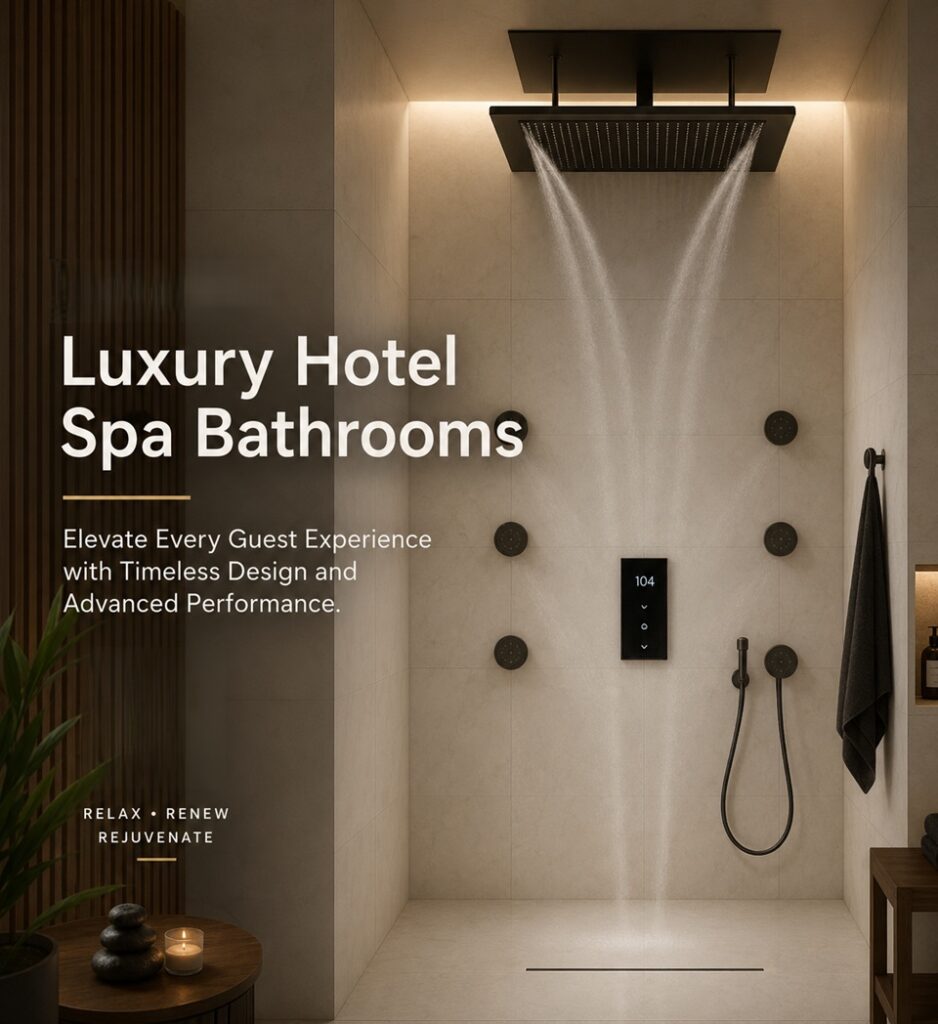
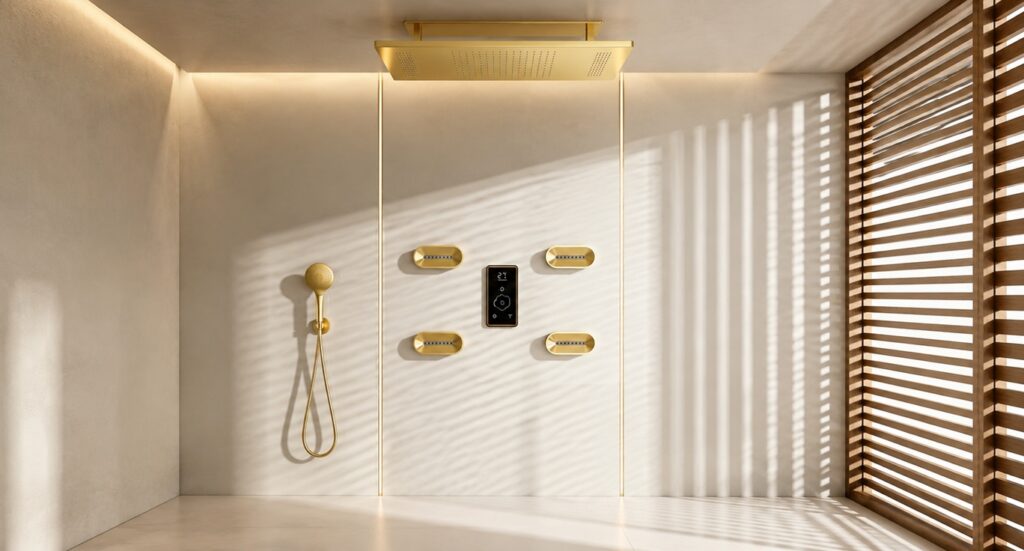
A large rainfall head plus handheld and body sprays may look compelling but must be coordinated with available dynamic pressure, flow, valve capacity and intended simultaneous use.
Diverter logic and valve architecture determine permissible combinations. Document the intended combinations instead of leaving them to field interpretation.
EPA notes that bath/shower diverters can leak while directing water to the shower, creating avoidable water waste. Product performance and lifecycle behavior matter.
Drainage should reflect the maximum intended outlet combination, not a single-showerhead assumption.
Minimal transitions demand precise slope and drain placement. Accessibility guidance also constrains floor slope in accessible bathing conditions.
Faucet, Basin & Vanity Failures
A stream landing too close to the rim or drain can cause splash, awkward handwashing and repeated housekeeping complaints. Test the actual pairing with water running.
EPA distinguishes private lavatories from public lavatories: public non-private toilet-room faucets generally target 0.5 gpm or less, while such low flows are not appropriate for private lavatories.
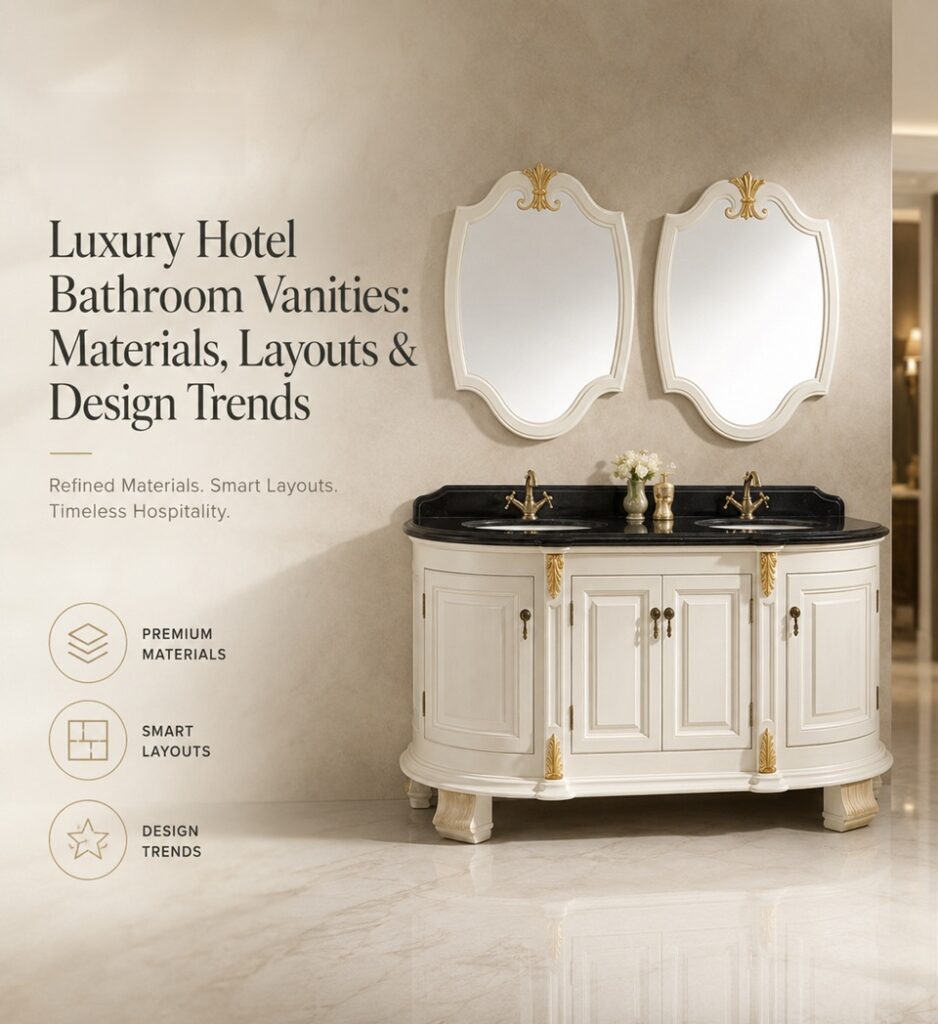
Oversized vessel basins and decorative objects can leave guests nowhere to place toiletries, phones or grooming equipment.
Drawer boxes, traps, supply lines and shutoffs should be coordinated before fabrication. Field-cut cabinetry is rarely the premium result envisioned by the designer.
Temperature, Water Quality & Building-System Failures
Mixing architecture, commissioning and maximum-temperature settings are engineering and safety issues, not decorative decisions.
CDC identifies water age as a Legionella risk factor and recommends eliminating dead legs and regularly flushing low-flow runs and infrequently used fixtures.
EPA recommends periodic inspection of faucets and showerheads for scale buildup; CDC also calls for regular maintenance of aerators, showerheads, hoses, filters and mixing valves.
CDC specifically advises recognizing Legionella risks associated with low-flow and mechanically complex fixtures such as electronic sensor faucets.
Finish, Glass & Housekeeping Failures
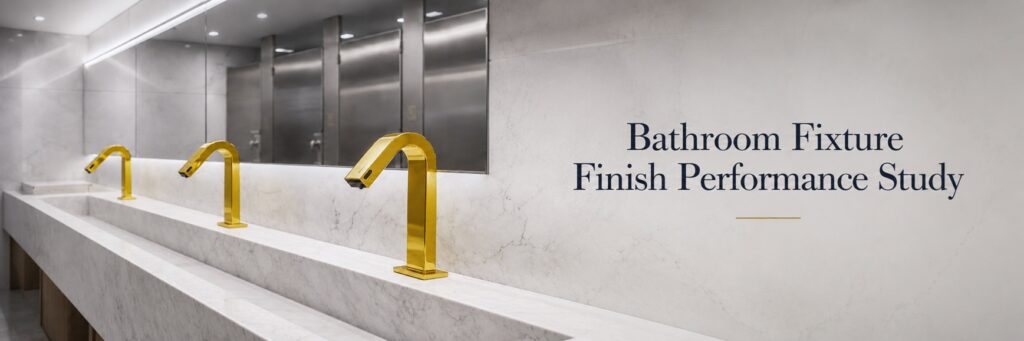
The approved cleaner, wiping method and frequency should be compatible with metal finishes, stone, glass, grout and sealants.
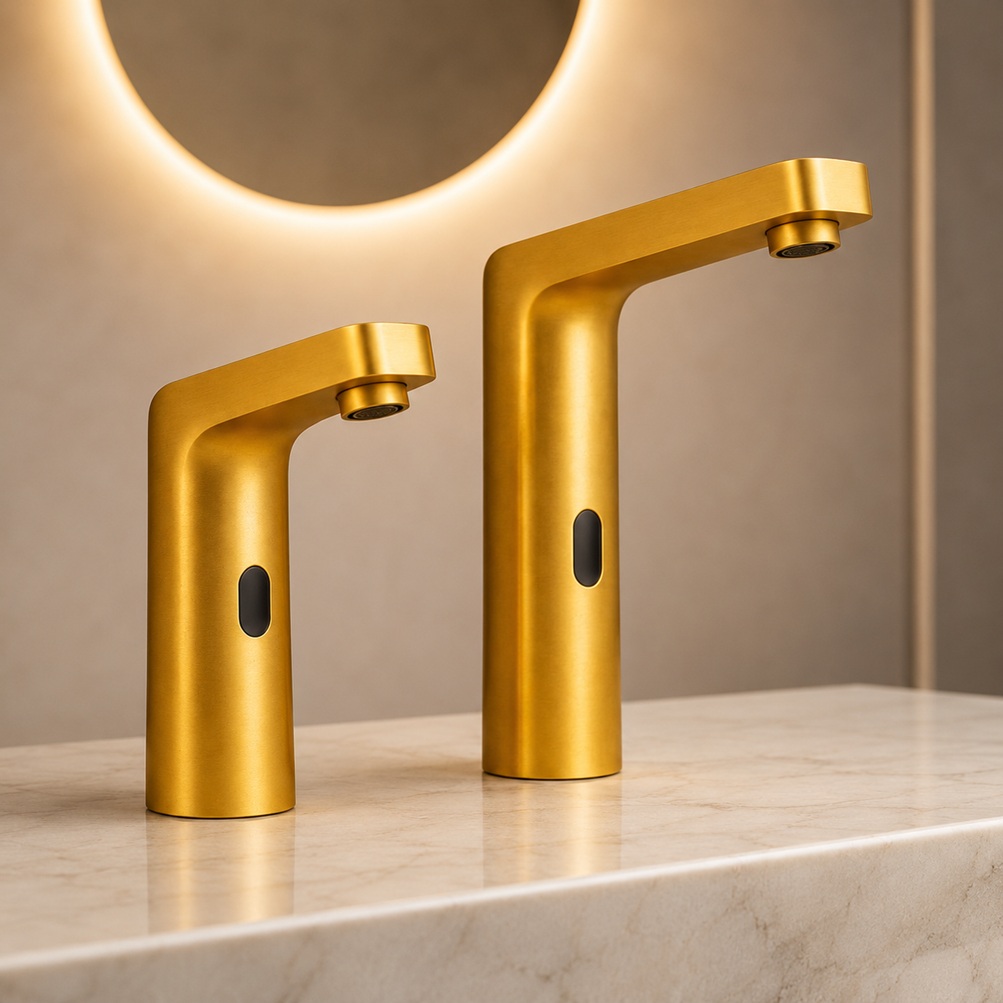
“Gold,” “black” or “brushed” describes appearance. Verify substrate, surface process and care instructions for the exact SKU.
Mockups should be wetted and allowed to dry naturally so the operating team sees realistic spotting and cleaning demand.
Small decorative recesses can become repetitive labor. Housekeeping should physically test reach around faucets, toilets, glass and vanity edges.
Accessibility & Guest-Use Failures
Measure the constructed mockup after doors, fixtures, seats and accessories are installed. Transient-lodging mobility rooms have specific scoping and bathing requirements.
Accessible shower controls, faucets and spray units have prescribed locations and operability requirements. Coordinate them with seats and grab bars early.
Required geometry may differ, but material quality, lighting and fixture language should remain consistent with the hotel’s premium standard.
Maintenance, Service & Lifecycle Failures
Cartridges, valves, pumps, transformers, solenoids and digital modules need realistic access paths that do not require avoidable demolition.
Engineering teams should be able to isolate and service fixtures without unnecessarily disrupting adjacent rooms or larger building zones.
Identify high-value consumable and service components—cartridges, aerators, hoses, sensors and controls—before the property begins operations.
Hotels renovate in phases. Retain SKU, finish, valve, installation, warranty and approved-substitution records so future replacement is deliberate.
Operate every faucet, shower outlet, diverter, drain and electronic control under realistic conditions. A dry visual inspection cannot verify performance.
Failure Prevention Priority Matrix
| Risk | Best prevention stage | Who should verify | Typical consequence if missed |
|---|---|---|---|
| Faucet splash | Mockup | Designer + housekeeping | Wet counters, complaints, cleaning labor |
| Insufficient shower performance | Design + commissioning | Plumbing engineer | Poor guest experience |
| Drainage/containment | Design + mockup | Architect + contractor | Ponding or water escape |
| Finish incompatibility | Submittal + mockup | Designer + housekeeping | Premature visual degradation |
| Accessibility conflict | Design + mockup | Architect/accessibility consultant | Costly corrective work |
| Hidden service components | Coordination drawings | Engineering/facilities | Demolition and downtime |
| Water-management issue | Engineering + operations | MEP + water-management team | Water-quality risk |
| Missing parts records | Closeout | Owner + facilities | Slow repairs and mismatched replacements |
BathSelect Hospitality™ Failure-Prevention Resources
Central access to hospitality, shower, faucet, bathtub, vanity and smart-bath resources.
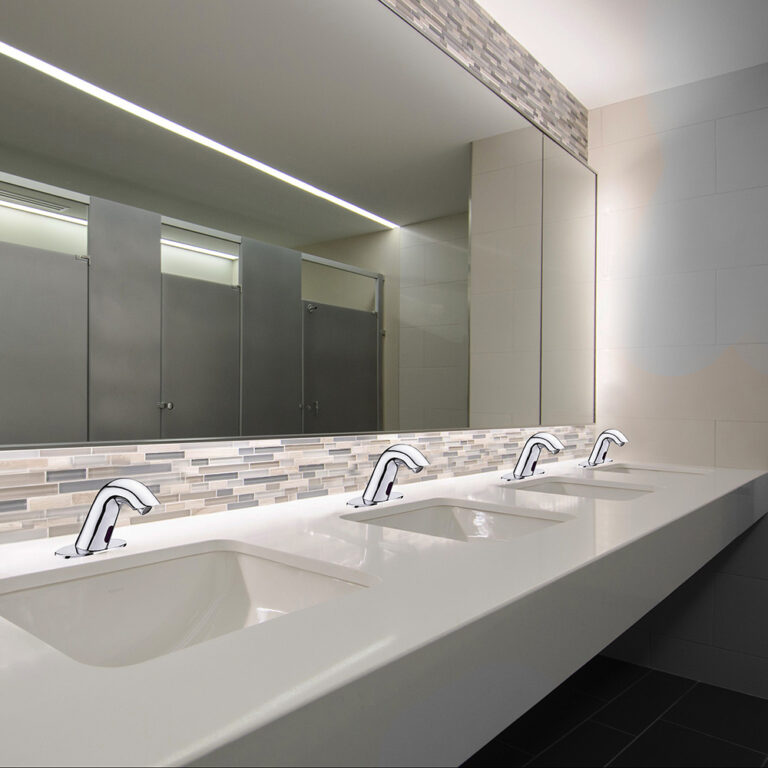
Sensor-faucet planning for hospitality and premium public washroom applications.
Basin and faucet coordination for hospitality vanity planning.
Installation, maintenance, documentation and product-support guidance for long-term fixture ownership.
Independent Professional References
Hotel Bathroom Failure Prevention FAQ
What is the most common category of hotel bathroom design failure?
There is no single universal failure, but interface problems are especially important: faucet-to-basin splash, shower-to-drainage mismatch, finish-to-cleaner incompatibility and concealed-component access are examples that should be tested before repetitive construction.
Can a low-flow fixture create maintenance issues?
Low-flow fixtures can perform very well, but the overall building-water system still requires appropriate design and management. CDC specifically recommends considering water age and the complexity of low-flow or electronic sensor fixtures within Legionella control planning.
Why should a shower be commissioned wet?
Only actual operation reveals pressure behavior, temperature response, spray containment, simultaneous-outlet performance and drainage under realistic flow.
Why are access panels important?
They can separate a routine component replacement from destructive removal of stone, tile or cabinetry. Access should be coordinated with the actual serviceable equipment.
Should public hotel restroom faucets use the same flow as guestroom faucets?
Not automatically. EPA distinguishes public non-private lavatories from private lavatories and notes different appropriate flow expectations.
Why keep exact finish records?
Hotels often replace fixtures in phases. Exact finish and model records reduce the risk of near-matches, incompatible parts and unnecessary full-fixture replacement.
What role should housekeeping have before construction repeats?
Housekeeping should test cleaning reach, spotting, ledges, glass, fixture bases and proposed care procedures in the mockup because those conditions become recurring labor after opening.
What is the strongest failure-prevention tool?
A coordinated process: project-specific engineering, accurate submittals, a fully operational mockup, multidisciplinary review, wet commissioning and documented closeout.
Conclusion: Prevent the Repetition of Small Mistakes
Hotel bathroom failures become expensive because hotels repeat details. One poorly coordinated faucet may create a wet counter; 300 identical faucets create an operating pattern. One inaccessible valve is inconvenient; an entire room inventory built the same way creates a lifecycle problem.
Failure prevention therefore depends less on adding complexity and more on resolving interfaces early. Test water with the basin. Test shower flow with the drain. Test finish care with housekeeping. Test accessible geometry in the built mockup. Test service access with engineering. Then document the accepted condition before repetitive construction proceeds.
BathSelect Hospitality™ supports this systems-based approach through hospitality-focused faucet, sink, shower, touchless and product-support resources intended for professional specification and long-term project planning.
Professional note: This article is an educational design and operations resource. It does not replace project-specific engineering, adopted codes, accessibility review, water-management programs, manufacturer instructions or professional commissioning.