The process for selecting Bath Showers
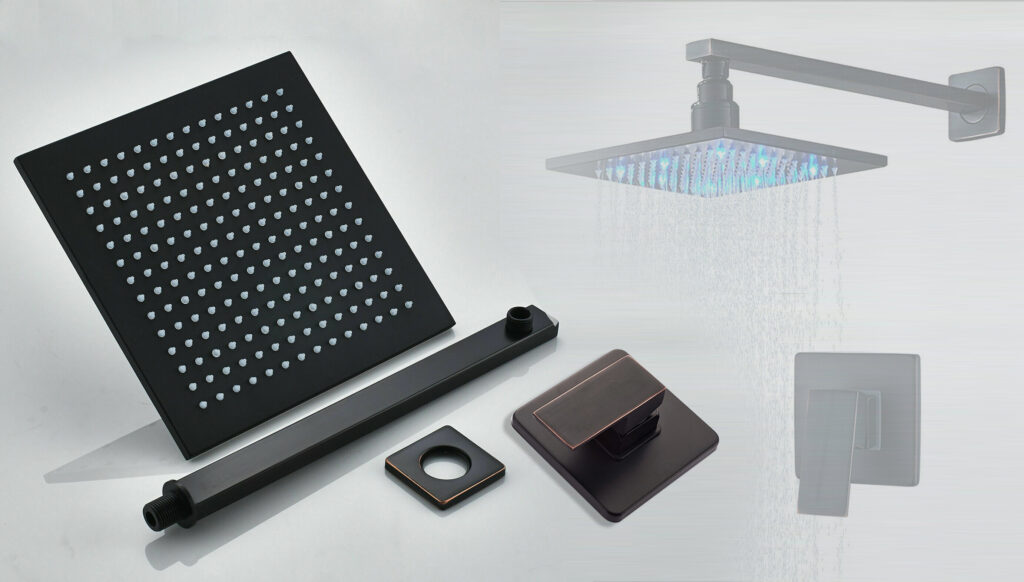
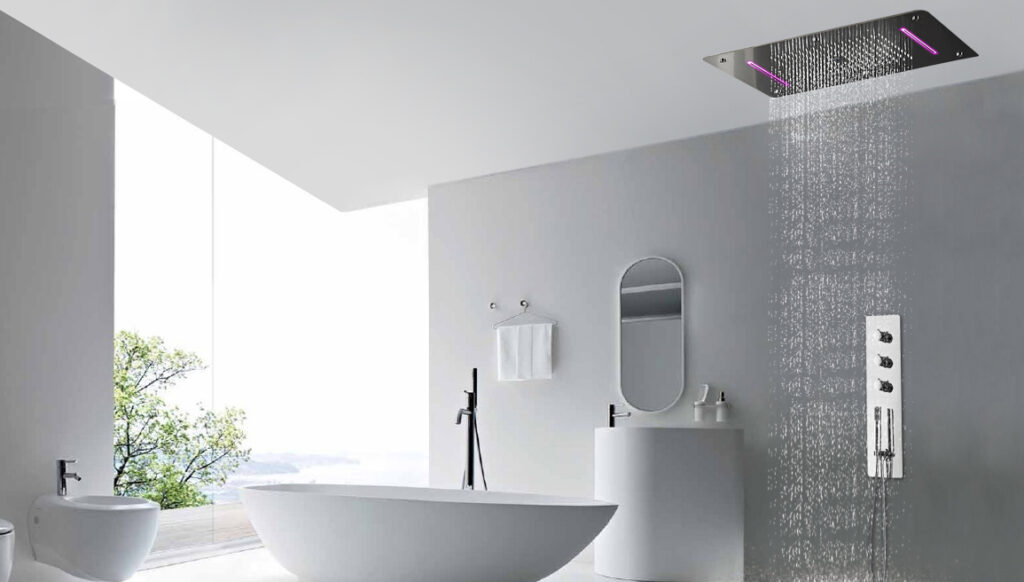
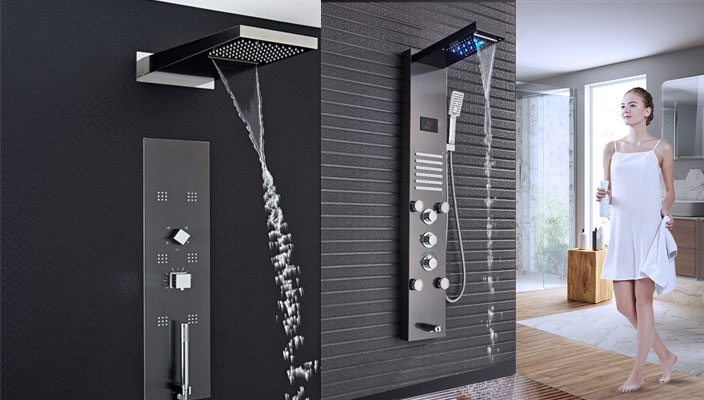
Process for selecting bath showers never been easy. You may have done some search idea of your perfect bath shower. Nowadays with such versatile components to choose from, it’s quite easy to design a custom shower to suit your desire. The first step is to decide which type of shower you want. Bath showers can take many shape styles and finishes. You may be looking for a contemporary appearance that’s attractive and durable, at BathSelect you can select and customize to your shower. Pick the combination of shower heads, body sprays, hand showers, sliding rail, digital display, and other fixtures to create your ultimate custom shower experience.
You may also decide to select a Venetian shower with an oil rubbed bronze finish. You may try a tub-shower combination.
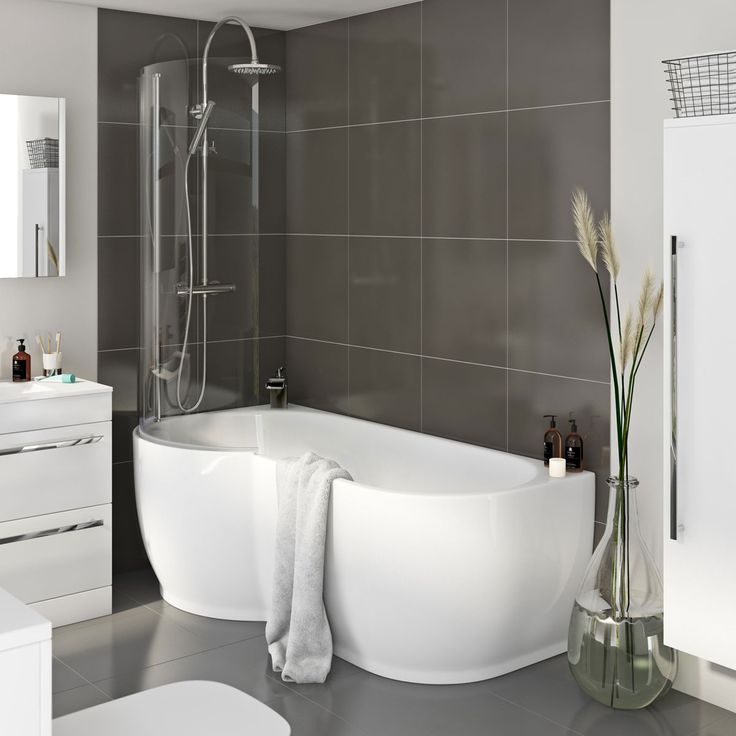
Tub-shower units allow you to save space without compromising style. If you want to turn your shower into a spa then you may consider the steam showers. Those steam showers take hydrotherapy beyond just a bath. At BathSlect you will find many steam showers with several high tech features including digital temperature display, with other selection of options and accessories–including fashion color upgrades, mounted seats, soap shelves and more–add touches of enhanced functionality and style. All our steam shower allow you to set your steam to a timer so you can enjoy the luxuries of convenience and relaxation.
The Process for Selecting Bath Showers
Selecting a bath shower is not simply a matter of choosing a style that looks attractive on the wall. A successful choice depends on understanding the room layout, the type of bathing experience you want, the plumbing conditions already in place, the installation format, the finish coordination, and the long-term maintenance expectations of the space.
In many bathrooms, the shower is one of the most visually dominant and functionally important fixture zones. It affects comfort, daily routine, water delivery, spatial flow, and the overall identity of the bathroom. Because of that, the selection process should be approached in a structured way rather than as a final decorative decision made after everything else is already chosen.
A well-selected bath shower balances layout compatibility, showering performance, finish harmony, and the kind of experience the bathroom is meant to deliver. Whether the project is a compact family bath, a hospitality-style renovation, or a luxury primary suite, the right process leads to a more functional and better-resolved result.
Start with Space
The shower choice should reflect the size of the room, the tub or shower footprint, and the wall or ceiling conditions available for installation.
Define the Shower Experience
A basic daily shower, a family-friendly setup, and a spa-style luxury shower each require different types of components and controls.
Choose the Right Finish
Finish selection affects the bathroom’s visual tone and how the shower coordinates with faucets, accessories, mirrors, and hardware.
Plan for Real Use
Maintenance, accessibility, water delivery, and control simplicity should be considered just as carefully as appearance.
Step 1: Understand the Bathroom Layout
Tub-Shower Combination
A combined bath shower often benefits from a practical hand shower, a clear control layout, and a showerhead position that works for everyday shared use.
Walk-In Shower Zone
Dedicated shower spaces allow more freedom for rainfall heads, body sprays, wall-mounted hand showers, and concealed control systems.
Wall and Ceiling Conditions
The mounting surface determines whether exposed, recessed, wall-mounted, or ceiling-mounted shower options are the best fit.
User Circulation
The shower should be selected with entry movement, reach comfort, cleaning access, and control visibility in mind.
Step 2: Decide What Kind of Shower Experience You Want
The process of selecting bath showers becomes much easier when the intended experience is clearly defined. Some bathrooms only need a dependable daily shower with simple controls and easy cleaning. Others are meant to create a spa-like setting, in which case rainfall showerheads, thermostatic controls, body sprays, and flexible hand showers may all become important.
| Shower Goal | Recommended Direction | Selection Priority |
|---|---|---|
| Basic Everyday Bath Shower | Standard wall-mounted showerhead with practical controls | Ease of use and installation simplicity |
| Family-Friendly Bathing | Combination shower with hand shower flexibility | Versatility, reach, and practical control |
| Luxury or Spa-Style Bathroom | Rainfall system, thermostatic control, body sprays, premium trim | Comfort, immersion, and design statement |
| Modern Architectural Bathroom | Minimal concealed system or wall-mounted statement shower | Visual clarity and strong finish coordination |
Step 3: Choose the Right Shower Type
Once the bathroom layout and the desired experience are clear, the next step is selecting the shower type that best fits those needs. Different shower systems create different design and installation outcomes. The right choice should balance function, proportion, and visual harmony with the rest of the room.
Wall-Mounted Shower
A classic and highly practical option for most bathrooms, especially bath-shower combinations and standard renovations.
Rainfall Shower
Best for creating a more immersive and premium shower experience, especially in larger or more design-led bathrooms.
Hand Shower Combination
Adds flexibility for rinsing, cleaning, and multi-user convenience, making it especially useful in shared bathrooms.
Shower Panel or Multi-Function System
Useful for bathrooms that want a more integrated and feature-rich showering environment without a fully custom assembly.
Illustrated Shower Selection Process
Measure the Space
Check tub format, shower enclosure size, wall area, ceiling height, and plumbing conditions first.
Define the Use Case
Decide whether the shower should be basic, family-friendly, luxury-focused, or highly design-led.
Select the Finish
Choose a finish that connects the shower with the faucets, accessories, vanity hardware, and room palette.
Confirm Real-Life Practicality
The final choice should work visually, function comfortably, and remain manageable to clean and maintain.
Step 4: Select the Finish and Style Direction
Shower finish selection is one of the most important design steps in the process because it determines how the shower trim will interact with the rest of the bathroom. Chrome creates a cleaner and more reflective effect. Brushed nickel softens the room. Matte black adds bold contrast. Brushed gold or brass tones introduce warmth and a more decorative premium feel.
The finish should feel intentional across the room rather than isolated on the shower wall. When selected carefully, it connects the shower to the vanity fixtures, towel bars, mirror frames, and cabinet pulls so the entire space feels coordinated.
| Finish | Visual Effect | Best Design Fit |
|---|---|---|
| Chrome | Bright, reflective, crisp | Contemporary bathrooms and polished modern spaces |
| Brushed Nickel | Soft, warm, understated | Transitional, family, and comfort-driven bathrooms |
| Matte Black | Bold, graphic, contrast-heavy | Minimalist and dramatic modern bathrooms |
| Brushed Gold / Brass | Warm, decorative, premium | Luxury baths and spa-inspired rooms |
Step 5: Think About Controls, Comfort, and Maintenance
A bath shower should not only look right. It should feel intuitive and comfortable every day. Control placement, ease of grip, temperature consistency, hand shower reach, and cleaning access all contribute to whether the shower becomes a pleasure to use or a frustration after installation.
Control Simplicity
A clean and readable control layout helps all users feel more comfortable with the shower system from day one.
Hand Shower Flexibility
A hand shower adds convenience for rinsing, cleaning, family bathing, and broader user accessibility.
Easy-Clean Design
The selected shape and finish should remain practical to wipe down and maintain over time.
Bath Shower Selection Matrix
| Bathroom Scenario | Recommended Shower Direction | Best Priority | Why It Works |
|---|---|---|---|
| Compact Bathroom | Simple wall-mounted shower with practical trim | Space efficiency | Keeps the layout clear and easy to use |
| Family Bath | Bath-shower combination with hand shower | Versatility | Supports everyday use across multiple users |
| Luxury Primary Bath | Rainfall or thermostatic multi-function shower | Comfort and premium experience | Creates a more immersive and design-forward shower zone |
| Modern Design Project | Minimal concealed or architectural shower system | Visual clarity | Strengthens the bathroom’s overall design language |
FAQ: The Process for Selecting Bath Showers
What is the first step in selecting a bath shower?
The first step is understanding the bathroom layout, including the tub or shower footprint, mounting conditions, and available space for controls and shower trim.
How do I know which shower type is right for my bathroom?
Choose the shower type based on the room size, whether it is a bath-shower combination or a walk-in shower, and the kind of experience you want to create.
Should finish be chosen early or late in the process?
Finish should be considered early enough to coordinate with faucets, accessories, mirrors, and overall bathroom materials, not left until the very end.
Why is a hand shower often recommended?
A hand shower improves flexibility, makes cleaning easier, and supports a wider range of daily users and showering routines.
What is the biggest mistake in shower selection?
The biggest mistake is choosing the shower only by appearance without checking layout compatibility, use case, finish coordination, and everyday practicality.
Conclusion
The process for selecting bath showers works best when it begins with layout, moves through use-case planning, and ends with finish and detail coordination. A shower should fit the room physically, support the right kind of bathing experience, and visually belong to the full bathroom composition.
When the selection process is handled step by step, the result is not just a shower that looks attractive. It is a bath shower system that feels correct in scale, function, comfort, and design language.
The right selection process ultimately leads to a bathroom that performs better, feels more cohesive, and delivers a more satisfying daily experience.